The Definitive Guide to Solid Wood Hotel Furniture: Engineering Durability, Material Selection, and Luxury Aesthetics in Commercial Hospitality Procurement
The global hospitality industry operates within a challenging reality: how to engineer guest environments that project timeless luxury while enduring relentless structural wear. In the high-stakes discipline of hospitality procurement and spatial design, Solid Wood Hotel Furniture stands as the benchmark for structural integrity, environmental sustainability, and premium guest experiences. Unlike residential furnishings or mass-produced veneer alternatives, commercial-grade contract furniture must withstand continuous physical impacts, shifting microclimates, and rigorous chemical sanitization regimes without sacrificing its aesthetic appeal.
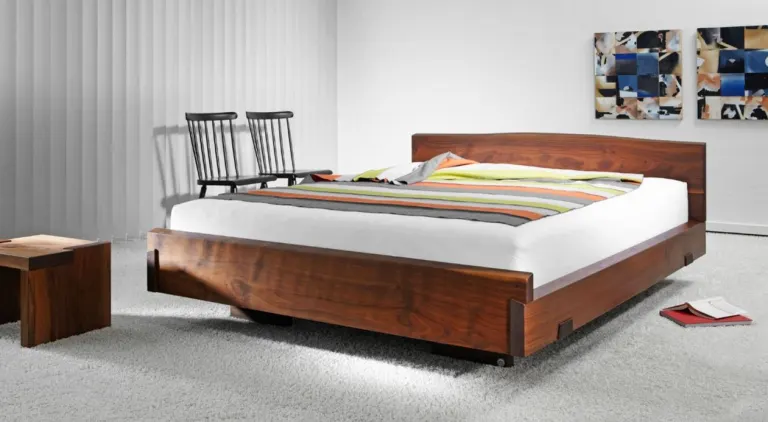
For hotel owners, asset managers, and interior architects, selecting the right furniture is not merely a design choice—it is a long-term capital expenditure (CapEx) decision. Investing in Solid Wood Hotel Furniture provides a distinct competitive advantage by drastically extending the renovation cycle, reducing replacement costs, and significantly elevating the property’s perceived value. To achieve these benefits, procurement teams must possess a deep, technically precise understanding of timber species, cellular wood mechanics, joinery engineering, and advanced protective finish technologies.
This comprehensive guide delivers an analytical breakdown of Solid Wood Hotel Furniture, offering hospitality professionals the definitive blueprint for specifying, engineering, and maintaining premium timber installations across luxury guestrooms, high-traffic lobbies, and demanding outdoor resort zones.
1. The Financial Case for Solid Wood Hotel Furniture: ROI and CapEx Analysis
When analyzing procurement budgets, asset managers frequently debate the initial cost differential between engineered composites (such as MDF or particleboard faced with high-pressure laminates) and authentic Solid Wood Hotel Furniture. While composite options offer a lower upfront price point, a rigorous Lifecycle Cost Analysis (LCCA) reveals that true solid timber delivers a vastly superior return on investment (ROI).
+-----------------------------------------------------------------------+
| FIFTEEN-YEAR LIFECYCLE REPLACEMENT CYCLES |
+---------------------------------+-------------------------------------+
| COMPOSITE LAMINATE FURNITURE | SOLID WOOD HOTEL FURNITURE |
| - Year 1: Initial Install | - Year 1: Initial Install |
| - Year 5: Delamination/Replace | - Year 5: On-Site Touch-up |
| - Year 10: Structural Failure | - Year 10: Light Refinishing |
| - Year 15: Total Replacement | - Year 15: Structural Intact (Original)|
+---------------------------------+-------------------------------------+
| Total Expenditure: 3x Capital | Total Expenditure: 1x Capital |
+---------------------------------+-------------------------------------+
Lifecycle Cost Analysis (LCCA)
Engineered wood products utilized in high-turnover hospitality environments possess a definitive structural expiration date. Under the stress of heavy luggage impacts, housekeeping cart collisions, and accidental liquid spills, laminate edges inevitably split, lift, and chip. Once an engineered core is exposed to moisture, it swells and degrades, rendering the piece unrepairable. This forces hotel management into a costly replacement cycle every 3 to 5 years.
Conversely, Solid Wood Hotel Furniture is structurally homogeneous. If a solid oak desk or walnut headboard sustains a deep scratch or gouge from guest luggage, the material beneath the damage matches the surface perfectly. The piece does not need to be discarded; instead, maintenance teams can sand, fill, and spot-refinish it directly in the guestroom. This simple repairability extends the service life of solid timber furnishings beyond 15 to 20 years, turning an initial premium expense into an exceptionally low annualized asset cost.
Mitigating Depreciation and Enhancing Asset Valuation
From a corporate valuation perspective, a hotel asset filled with deteriorating composite furniture suffers from rapid aesthetic depreciation, which directly depresses the property's Average Daily Rate (ADR) and Revenue Per Available Room (RevPAR). High-end guests readily detect the synthetic sound and feel of laminates.
By contrast, the tactile warmth, solid weight, and acoustic dampening qualities of Solid Wood Hotel Furniture signal authentic prestige. This material premium allows luxury and boutique operators to justify higher room rates, protect their brand equity, and maintain elevated property resale values during institutional asset transfers.
2. Timber Material Science: Selecting the Optimal Species
To successfully specify Solid Wood Hotel Furniture, designers must look beyond surface aesthetics and evaluate the mechanical profile of the timber. Wood species are divided into distinct categories based on density, cell structure, and resistance to environmental stress.
[Janka Hardness Spectrum for Hospitality]
Low Resistance High Resistance
<---------------------------------------------------------------------------------->
[ Pine / Softwoods ] [ European Ash ] [ White Oak ] [ Hard Maple ]
(Guestrooms Only) (Lobby Chairs) (All-Purpose) (Tabletops)
Hardwoods vs. Softwoods in Commercial Use
While softwoods like Pine or Cedar possess unique rustic charm, their low cellular density makes them highly susceptible to indentation and scratching. Consequently, their use in Solid Wood Hotel Furniture is generally restricted to accent pieces or specialized thematic resorts.
Premium commercial furniture relies almost exclusively on dense, ring-porous or diffuse-porous hardwoods. These timbers feature thick cell walls and tightly packed fibers that easily deflect physical impacts.
Deep-Dive Analysis of Core Hospitality Hardwoods
• American Black Walnut (Juglans nigra): Renowned for its rich chocolate-brown tones and complex grain figures, Walnut is the premier selection for luxury executive suites and high-end headboards. It offers excellent dimensional stability and moderate hardness, allowing it to hold precise profile cuts over decades of use.
• White Oak (Quercus alba): A foundational material for high-traffic Solid Wood Hotel Furniture. White Oak possesses a high Janka hardness rating and features a high concentration of natural tyloses—microscopic blockages within its cell pores. These tyloses make the wood highly water-resistant, protecting lobby tables and luggage benches from wet items.
• Hard Maple (Acer saccharum): Boasting an exceptionally dense and uniform cellular matrix, Maple is virtually immune to denting. This extreme durability makes it the standard choice for restaurant tabletops, bar areas, and structural framing within heavy-use upholstered seating.
• European Ash (Fraxinus excelsior): Highly valued for its superb elasticity and shock-absorbing properties, Ash is the preferred material for bentwood chairs, barstools, and complex curved seating systems in busy hotel lounges.
3. Structural Mechanics and Joinery Engineering for High-Traffic Nodes
The long-term durability of Solid Wood Hotel Furniture depends entirely on the engineering of its hidden joints. Residential furniture construction methods—such as relying on simple pocket screws, metal staples, or basic dowels—will quickly fail when subjected to the structural stresses of a commercial hotel environment.
[Commercial Mortise and Tenon Geometry]
Tenon Member Mortise Member
+---------------------------+ +---------------------------+
| | | |---| | |
| +----+ | | | | |
| | |========>| | | (Glue Pocket) | |
| +----+ | | | | |
| | | |---| | |
+---------------------------+ +---------------------------+
The Supremacy of Mortise and Tenon Joinery
For load-bearing connections in items like hotel dining chairs, beds, and writing desks, traditional interlocking mortise and tenon joinery remains the gold standard. In this configuration, a projecting tongue of wood (the tenon) fits precisely into a deep rectangular cavity (the mortise) cut into the adjoining piece.
When bonded with industrial-grade polyvinyl acetate (PVA) or polyurethane adhesives, this interlocking structure creates an incredibly strong bond. The wood fibers themselves lock together, distributing weight evenly across the entire frame and preventing the joint from loosening over years of continuous use.
Mastering Structural Stress in Casegoods
Hotel casegoods—such as dressers, armoires, and nightstands—require sophisticated corner construction to resist racking forces when heavily loaded or moved by housekeeping staff. High-specification Solid Wood Hotel Furniture utilizes interlocking English dovetail joints for drawer boxes and blind-dado joints for structural casework dividers.
Additionally, solid corner blocks must be glued and securely screwed into internal frame corners. This reinforcement prevents the furniture from twisting or warping when guests lean heavily against it or use open drawers for physical support.
4. Accommodating Anisotropic Movement and Environmental Shifts
Wood is an anisotropic, hygroscopic material, meaning its dimensions continually expand and contract in response to changing levels of ambient humidity. If a hotel's interior environment experiences sudden shifts in moisture levels, poorly engineered Solid Wood Hotel Furniture will inevitably split, warp, or crack along its grain paths.
[Anisotropic Movement Coefficients]
Tangential (Parallel to Growth Rings): |||||||||| (Highest Swelling)
Radial (Perpendicular to Rings): ||||| (Moderate Swelling)
Longitudinal (Along Grain Axis): | (Negligible Swelling)
Managing Tangential and Radial Expansion
Wood cells expand significantly more along their tangential axis (parallel to the tree's growth rings) than along their radial axis. To mitigate this unequal movement, engineers must design furniture panels with specialized, non-rigid fastening systems.
For instance, a solid wood tabletop should never be screwed directly and rigidly to a fixed steel base. Instead, it must be mounted using expansion clips or elongated slot channels. This specialized hardware allows the solid timber panel to expand and contract smoothly across its width without cracking or tearing its fasteners loose.
Managing Internal Moisture Levels via Kiln Drying
Before a single piece of Solid Wood Hotel Furniture is cut or assembled, the raw timber must undergo a precision kiln-drying process to stabilize its internal moisture levels.
[Phase 1: Pre-Heating] [Phase 2: Vaporization] [Phase 3: Conditioning]
Temp: 40°C -> 60°C Temp: 60°C -> 85°C Target EMC: 6% - 9%
Humidity: Maintained High Controlled Dehumidification Eliminates Internal Stress
For hospitality furniture destined for standard climate-controlled interior zones, the wood must be systematically dried to a strict Equilibrium Moisture Content (EMC) of 6% to 9%. Drying the timber to this precise chemical threshold ensures that its internal cell structures remain stable, preventing warping whether the furniture is installed in an arid desert resort or a humid tropical beachfront hotel.
5. Advanced Protective Finish Technologies for Commercial Compliance
The surface coating applied to Solid Wood Hotel Furniture serves as its primary shield against environmental hazards. In a commercial hospitality property, this protective finish must withstand frequent encounters with spilled hot coffee, acidic juices, alcohol-based perfumes, and harsh chemical sanitizers.
Coating Technology Film Thickness & Appearance Chemical/Scratch Resistance Maintenance & Spot-Repairability
Two-Component Polyurethane (2K PU) High build; creates a tough, protective surface layer. Exceptional; resists water, heat, and harsh industrial sanitizers. Requires professional equipment and sanding for complete refinishing.
Conversion Varnish (CV) Medium build; delivers a clear finish that highlights wood grain. Very High; excellent resistance to scratching and moisture. Moderate repairability; surfaces must be lightly sanded before recoating.
Waterborne Acrylic Lacquer Low build; offers an ultra-clear, natural wood appearance. Moderate; vulnerable to prolonged alcohol exposure. Excellent; allows for quick on-site touch-ups and easy spot repairs.
Natural Hardwax Oils Penetrates deep into the wood fibers; zero-film matte look. Low-Moderate; prone to staining if liquids stand for long periods. Superior; allows local repairs without sanding the entire piece.
Meeting Performance Standards: Sealing Against Chemicals and Heat
To ensure long-term durability in commercial properties, specify coatings that comply with rigorous performance standards, such as those established by the Architectural Woodwork Institute (AWI) or the Kitchen Cabinet Manufacturers Association (KCMA). These certifications verify that the finished surface can withstand a 24-hour continuous exposure to common hospitality fluids—including boiling water, isopropyl alcohol, citric acids, and vinegar—without experiencing any film breakdown, softening, or permanent discoloration.
6. Sustainable Sourcing, Carbon Sequestration, and LEED Validation
Modern travelers and commercial real estate investment funds place immense value on environmental sustainability. Specifying responsibly produced Solid Wood Hotel Furniture provides a direct pathway for properties to achieve green building certifications, such as LEED (Leadership in Energy and Environmental Design) or BREEAM.
+-------------------------------------------------------------------+
| SUSTAINABLE TIMBER CARBON SEQUESTRATION CYCLE |
+---------------------+-----------------------+---------------------+
| FOREST GROWTH | FURNITURE FABRICATION | LONG-TERM USE |
+---------------------+-----------------------+---------------------+
| - Trees absorb CO₂ | - Low energy inputs | - CO₂ locked safely |
| - Managed replanting| - Minimal processing | for decades in |
| - Biodiversity check| - Local manufacturing | guestroom suites |
+---------------------+-----------------------+---------------------+
Chain-of-Custody Certification (FSC and PEFC)
To guarantee that your procurement choices do not contribute to global deforestation, all Solid Wood Hotel Furniture should carry Forest Stewardship Council (FSC) or Programme for the Endorsement of Forest Certification (PEFC) chain-of-custody validation. This paperwork verifies that the timber can be tracked directly back to sustainably managed forests that prioritize biodiversity conservation, respect indigenous land rights, and enforce strict, legal replanting ratios.
Low-VOC Coatings for Improved Indoor Air Quality
Traditional solvent-based finishes release significant volumes of Volatile Organic Compounds (VOCs) into the air, which can compromise indoor air quality and trigger sensory irritation for incoming hotel guests.
By specifying furniture built with ultra-low-VOC waterborne finishes or plant-based natural hardwax oils, hotels can ensure their guestrooms are completely free of harmful chemical off-gassing from day one. This proactive approach helps properties earn critical LEED indoor environmental quality credits while creating a safer, healthier workplace for housekeeping staff.
7. Operational Maintenance Regimes and Lifecycle Extension Protocols
Even the most robustly engineered Solid Wood Hotel Furniture requires a structured, proactive maintenance program to preserve its protective finish and structural integrity over decades of intense commercial use.
[Hospitality Timber Preventative Maintenance Cycle]
Daily/Weekly Quarterly Bi-Annually
+-------------------------+ +-------------------------+ +-------------------------+
| pH-Neutral Damp Wipe | | Hardware Torque Check | | Hardwax Oil Re-Buffing |
| Remove Surface Grime |====>| Tighten Internal Joints |====>| Renew Protective Layer |
| Avoid Abrasive Bleaches | | Prevent Racking Wear | | Seal Micro-Scratches |
+-------------------------+ +-------------------------+ +-------------------------+
Cleaning Protocol Guidelines for Housekeeping Teams
Housekeeping staff must be trained to avoid all cleaning products that contain aggressive chlorine bleaches, ammonia, or abrasive scrubbing compounds. These chemicals chemically strip the protective topcoats, clouding clear clear finishes and exposing the underlying raw wood fibers.
Instead, daily maintenance should be limited to wiping surfaces with a soft, lint-free microfiber cloth lightly dampened with pH-neutral soap and warm water, followed immediately by drying with a clean towel to prevent water spotting.
Scheduled Structural Audits and Hardware Tuning
Every quarter, a property's engineering team should conduct a comprehensive structural audit of all Solid Wood Hotel Furniture located in high-turnover guestrooms. This assessment includes checking and re-torquing internal structural fasteners, adjusting heavy drawer glides, and inspecting hidden drop-in bed frame brackets. Catching micro-movements early prevents minor structural loose joints from escalating into severe timber failures when pieces are subjected to heavy loads.
8. Conclusion: Maximizing Asset Value with Solid Wood Hotel Furniture
The procurement of Solid Wood Hotel Furniture represents a critical intersection of advanced material science, precision structural engineering, and strategic financial planning within the global hospitality industry. While alternative composite materials may present an attractive, low-cost shortcut during initial construction phases, their rapid physical degradation under real-world commercial loads inevitably leads to premature capital expenditures and diminished brand perception.
By understanding the unique cellular properties of premium hardwoods, implementing time-tested interlocking joinery systems, and applying advanced, chemically resistant protective topcoats, hotel owners can create guest environments that grow more beautiful with age. Ultimately, investing in sustainably sourced, expertly crafted solid timber furniture protects property assets, improves guest satisfaction scores, and establishes a resilient foundation for long-term luxury hospitality operations.