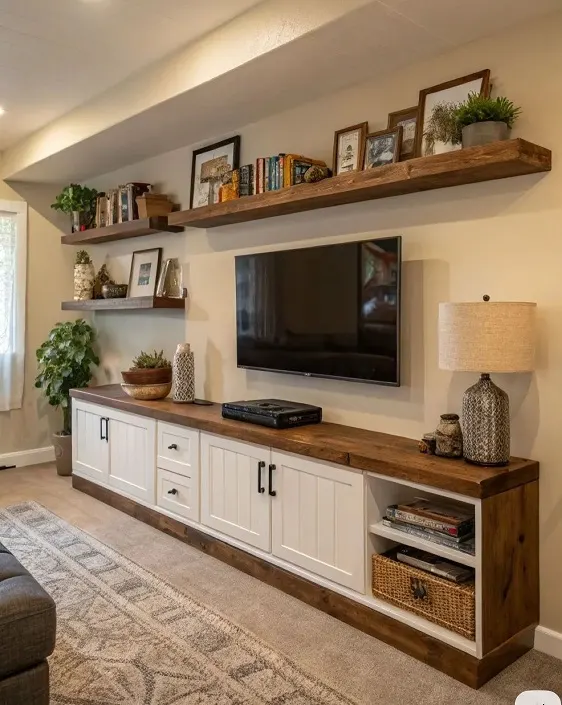
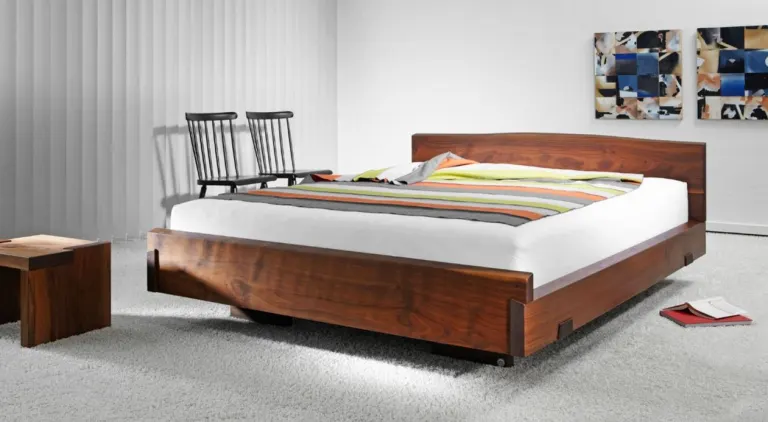
Import and Export of Distressed Solid Wood Console Furniture in Turkey: The Ultimate Trade, Manufacturing, and Compliance Blueprint
The import and export of distressed solid wood console furniture in Turkey represents one of the most dynamic, high-margin segments within the Eurasian furniture supply chain. Positioned at the crossroads of Europe, the Middle East, and Central Asia, Turkey has evolved from a regional carpentry hub into a global powerhouse for artisanal, rustic, and industrial-chic wooden furnishings. For international procurement directors, B2B wholesalers, hospitality project managers, and customs brokers, mastering the import and export of distressed solid wood console furniture in Turkey requires deep technical fluency in Turkish timber metallurgy, phytosanitary protocols, HS/GTİP tariff classifications, and European Union customs union mechanics.

Unlike mass-produced flat-pack melamine or particleboard furniture, distressed solid wood consoles—crafted from kiln-dried Anatolian oak, reclaimed pine, black walnut, and steamed beech—demand rigorous moisture engineering, specialized surface-aging treatments, and strict regulatory compliance. Whether you are sourcing bespoke container loads out of İnegöl and Ankara or importing luxury European designer consoles and raw North American hardwoods into Istanbul, this definitive guide provides the operational blueprint for navigating the import and export of distressed solid wood console furniture in Turkey.
1. Strategic Overview: Turkey’s Position in the Global Solid Wood Console Market
Over the past decade, global interior design trends have shifted decisively toward biophilic design, tactile authenticity, and sustainable longevity. Distressed solid wood console tables—characterized by hand-planed edges, wire-brushed grain relief, wormhole distressing, natural knots, and low-VOC matte oil finishes—command premium retail markups in North America, the United Kingdom, Germany, Scandinavia, and the Gulf Cooperation Council (GCC) states.
Turkey’s dominance in the import and export of distressed solid wood console furniture in Turkey is anchored by four structural advantages:
1. Geographic Logistics Efficiency: Sea freight from Turkish ports (Gemlik, Ambarlı, İzmir, and Mersin) reaches major European hubs like Rotterdam, Hamburg, and Felixstowe in 7 to 12 days, and East Coast US ports (New York/Newark, Savannah) in 16 to 22 days—drastically outperforming the 35-to-50-day transit times from East and Southeast Asia.
2. Vertical Artisanal Integration: Turkish furniture clusters combine CNC precision milling with generational hand-carving, joinery (mortise-and-tenon, dovetail), and multi-stage manual distressing techniques that automated Asian factories struggle to replicate at mid-market price points.
3. Customs Union & FTA Network: Under the EU-Turkey Customs Union, industrial goods—including solid wood furniture—move between Turkey and the 27 EU member states free of customs duties and quantitative restrictions, provided they are accompanied by a valid A.TR Movement Certificate. Turkey also maintains active Free Trade Agreements (FTAs) with the UK, EFTA countries, South Korea, and numerous MENA nations.
4. Agile Minimum Order Quantities (MOQs): While Far Eastern exporters typically enforce strict single-SKU container minimums, Turkish manufacturers specializing in the import and export of distressed solid wood console furniture in Turkey routinely accommodate mixed-SKU 20-foot and 40-foot High Cube (HC) containers, alongside low-MOQ bespoke batches for boutique hotels and interior design studios.
2. Regional Manufacturing & Trade Clusters in Turkey
Understanding the geographic specialization within Turkey is essential for anyone involved in the import and export of distressed solid wood console furniture in Turkey. Each manufacturing cluster possesses distinct machinery capabilities, timber supply chains, and labor specializations.
İnegöl (Bursa): The Industrial Export Powerhouse
Located in the Marmara region near the Port of Gemlik, İnegöl is widely recognized as the furniture capital of Turkey. Accounting for a substantial share of national furniture exports, İnegöl houses over 1,500 manufacturers ranging from vertically integrated mega-factories to specialized solid wood workshops.
• Core Competency: High-volume production of distressed oak, pine, and ash consoles; standardized export packaging; automated UV-curing and water-based distressing lines.
• Logistics Advantage: Direct highway access to Gemlik Port (approx. 65 km), minimizing inland drayage costs for containerized exports.
Siteler (Ankara): The Bespoke & Artisanal Capital
Siteler is one of the largest traditional furniture manufacturing districts in the world, comprising thousands of micro- and medium-sized workshops operating in a tightly knit ecosystem.
• Core Competency: Hand-distressed, reclaimed-look, and architectural solid wood consoles; custom dimensions; mixed-media integration (forged wrought iron bases, hammered brass inlays, travertine tops); and high-end hospitality FF&E (Furniture, Fixtures, and Equipment) contracts.
• Craftsmanship Profile: Unmatched hand-finishing, manual adzing, and custom patina formulation tailored to luxury interior architects.
Kayseri: Large-Scale Engineering & Metal-Wood Hybrids
Traditionally famous for upholstered furniture and bedding, Kayseri has rapidly expanded into industrial-style solid wood and steel console furniture.
• Core Competency: Distressed solid wood console tables paired with powder-coated steel frames, heavy-duty structural engineering, and flat-pack/KD (knock-down) export optimization for major e-commerce retailers.
Istanbul (Masko, Modoko, and Tuzla/İkitelli Industrial Zones)
Istanbul serves as the primary commercial, design, and import-clearance nexus for the import and export of distressed solid wood console furniture in Turkey.
• Core Competency: International showrooms, export trading houses, luxury designer imports, and customs brokerage headquarters centered around Ambarlı Port (Avcılar) and Haydarpaşa/Dilovası terminals.
3. Technical Specifications: Timber Engineering & Distressing Processes
To succeed in the import and export of distressed solid wood console furniture in Turkey, buyers and exporters must specify exact technical parameters. Solid wood is a hygroscopic material that expands and contracts in response to ambient relative humidity (RH). Failure to engineer for destination climate zones leads to warping, checking, delamination, and costly warranty claims.
Primary Timber Species Used in Turkish Console Manufacturing
• Anatolian & European White Oak (Quercus robur / Quercus petraea): The gold standard for export consoles. High density (approx. 700–750 kg/m³), prominent medullary rays, and deep open grain that absorbs wire-brushing and cerusing (liming) waxes exceptionally well.
• Turkish Red Pine (Pinus brutia) & Scots Pine (Pinus sylvestris): Favored for farmhouse, rustic, and heavily distressed coastal consoles. Softer density allows pronounced denting, rasping, and wormhole simulation.
• Steamed Anatolian Beech (Fagus orientalis): Uniform fine grain, high structural strength, frequently stained to mimic walnut or aged mahogany.
• Imported American Black Walnut (Juglans nigra) & Ash (Fraxinus americana): Imported as rough-sawn kiln-dried lumber by Turkish factories to manufacture high-tier export consoles under inward processing customs regimes.
Kiln-Drying & Moisture Content (MC) Standards
Moisture control is the single most critical technical factor in the import and export of distressed solid wood console furniture in Turkey:
• For Exports to Temperate/Heated Climates (EU, UK, North America): Timber must be kiln-dried to 8% – 10% Moisture Content (MC). Shipping wood at 14%+ MC to centrally heated homes in New York, London, or Berlin will result in severe shrinkage cracks within 60 days.
• For Exports to Arid Climates (UAE, Saudi Arabia, Qatar): Timber should be stabilized at 6% – 8% MC to prevent rapid desiccation in air-conditioned desert environments.
• Stress-Relief Conditioning: Quality Turkish mills execute a final conditioning phase in vacuum or conventional kilns to eliminate case-hardening and internal drying stresses before milling console tops.
Mechanical & Chemical Distressing Methodologies
Authentic distressed solid wood console furniture achieves its vintage aesthetic through controlled physical and chemical interventions rather than mere printed veneers:
1. Wire-Brushing (Texturing): Rotating steel or nylon-abrasive brushes remove the softer earlywood fibers while leaving the harder latewood rings raised, creating tactile three-dimensional grain relief.
2. Hand-Scraping & Adzing: Artisans use curved drawknives and hand planes to create subtle undulations along console aprons and tabletop edges.
3. Physical Impact Distressing: Controlled application of chains, awls, rasps, and hammers simulates decades of natural wear, corner rounding, and antique woodworm tunnels.
4. Fuming & Reactive Stains: Tannin-rich woods like oak are exposed to ammonia fuming or iron-acetate reactions to age the wood pigment organically from within, rather than masking the grain under opaque paint.
5. Topcoat Protection: Export-grade consoles are sealed with zero- or low-VOC waterborne polyurethane, hardwax oils (such as Rubio Monocoat or Osmo equivalents), or catalyzed matte lacquers that preserve raw-wood aesthetics while providing stain and scratch resistance.
4. Customs Classification: HS / GTİP Codes for Solid Wood Consoles
Accurate tariff classification is mandatory for regulatory compliance in the import and export of distressed solid wood console furniture in Turkey. Turkey utilizes the 12-digit GTİP (Gümrük Tarife İstatistik Pozisyonu), which aligns with the 6-digit international Harmonized System (HS) and the 8-digit EU Combined Nomenclature (CN).
GTİP / HS Code Official Description Typical Application in Console Furniture
9403.60.10.00.00 Wooden furniture of a kind used in the dining room and living room Standard entryway, hallway, and living room distressed solid wood consoles
9403.60.90.00.00 Other wooden furniture (not elsewhere specified) Accent consoles, radiator cover consoles, and multi-purpose wall tables
9403.30.11.00.00 Wooden furniture of a kind used in offices (desks/consoles ≤ 80 cm height) Narrow solid wood writing consoles intended for commercial office environments
9403.91.00.00.00 Parts of wooden furniture Replacement distressed solid wood console tabletops, turned legs, or aprons
Classification Nuance: If a distressed solid wood console incorporates a heavy wrought-iron or stainless-steel base that accounts for more than 50% of the item's value, weight, and essential character, customs authorities may reclassify the item under 9403.20 (Other metal furniture) pursuant to General Interpretative Rule 3(b). Exporters and importers must document material breakdown by weight and value on commercial invoices to prevent customs holds.
5. Exporting Distressed Solid Wood Console Furniture from Turkey
Turkey’s export framework is heavily incentivized by the Ministry of Trade to maximize foreign exchange inflows and support value-added manufacturing.
Step-by-Step Export Workflow
1. Exporters’ Association Registration: The Turkish manufacturer or export trading company must be an active member of a regional Exporters’ Association (İhracatçı Birlikleri), such as the Istanbul Furniture, Paper and Forest Products Exporters’ Association (İİB) or the Central Anatolian Exporters’ Association (OAİB).
2. Commercial Documentation Package:
• Commercial Invoice (Fatura) & E-Archive/E-Export Invoice itemized by SKU, wood species, dimensions, net/gross weight, and unit price.
• Detailed Packing List (Çeki Listesi) mapping cartons per pallet/container.
• Customs Export Declaration (Gümrük Beyannamesi) lodged electronically via the BILGE customs system.
3. Preferential Origin Certification:
• A.TR Movement Certificate: Required for duty-free entry into the European Union.
• EUR.1 Movement Certificate / Invoice Declaration: Required for preferential tariff treatment under Turkey’s FTAs with the UK, EFTA (Switzerland, Norway, Iceland, Liechtenstein), South Korea, and Balkan partners.
• Certificate of Origin (Menşe Şahadetnamesi): Chamber of Commerce-attested document required for US, Canadian, and GCC shipments.
VAT (KDV) Refund Mechanism for Turkish Exporters
Under Turkish Value Added Tax Law (No. 3065), direct exports of goods are zero-rated (0% KDV). Furthermore, Turkish manufacturers can claim a full refund (KDV İadesi) for the domestic VAT paid on raw timber, hardware, finishes, energy, and packaging materials used to produce the exported consoles, directly enhancing export price competitiveness.
Export Packaging & Transit Damage Prevention
Distressed solid wood consoles are heavy, top-heavy, and vulnerable to corner crushing and moisture condensation ("container rain") during ocean voyages. Best-practice export packaging includes:
• 5-Ply or 7-Ply Double-Wall Kraft Corrugated Cartons (minimum ECT 44–48 lbs/in).
• High-Density EPS or EPE Foam Corner Protectors and edge guards (minimum 20–25 mm thickness).
• PE Vapor Barrier Wrapping inside the carton combined with calcium chloride desiccant poles hung inside the shipping container to absorb excess humidity across changing climate zones.
• Drop-Test Compliance: Adherence to ISTA 2A or 3A transit testing standards for e-commerce and LTL/FTL distribution.
6. Importing Distressed Solid Wood Console Furniture into Turkey
While domestic production dominates the Turkish market, there is steady import demand for two distinct categories: (1) ultra-luxury European designer distressed consoles (from Italy, France, Spain, and Scandinavia) serving high-net-worth residential projects in Istanbul, Bodrum, and Ankara; and (2) raw solid hardwoods and veneers imported as industrial inputs.
Import Duties, Additional Customs Duties (İGV), and Taxes
Importing finished wooden furniture into Turkey from non-FTA countries is subject to substantial protective tariffs designed to shield domestic manufacturers:
• Customs Duty (Gümrük Vergisi): 0% for goods originating in the EU (with A.TR) or FTA partner countries (with EUR.1/origin proof). For MFN (Most Favored Nation) countries such as China, India, Vietnam, or Indonesia, standard MFN tariffs apply (typically 0% to 5.6% depending on subheading).
• Additional Customs Duty (İlave Gümrük Vergisi - İGV): Turkey enforces a significant İGV surcharge (commonly 25% to 50% depending on origin and exact GTİP subheading) on finished furniture imported from non-EU/non-FTA countries. Goods originating in the EU or UK with valid origin documentation are exempt from İGV.
• Value Added Tax (KDV): A standard 20% KDV is levied on the cumulative CIF value plus all applicable customs duties, İGV, and customs clearance fees.
• Resource Utilization Support Fund (KKDF): A 6% KKDF surcharge applies if the import payment is structured on deferred/credit terms (e.g., cash against goods or deferred L/C) rather than advance payment or sight L/C.
TAREKS Product Safety & Chemical Compliance
Every commercial import of wooden furniture into Turkey is subject to risk-based inspection via TAREKS (Risk-Based Control System in Foreign Trade), administered by the Turkish Ministry of Trade:
• Chemical & Surface Finish Standards: Paints, stains, lacquers, and adhesives on distressed consoles must comply with Turkish REACH equivalents (KKDİK Regulation), restricting formaldehyde emissions (E1 standard mandatory), lead, cadmium, phthalates, and volatile organic compounds (VOCs).
• Testing & Documentation: Importers must upload accredited laboratory test reports (EN 71-3, formaldehyde chamber tests, technical data sheets) into TAREKS prior to customs release. Non-compliant shipments face mandatory physical sampling at customs laboratories, incurring demurrage and storage penalties.
The Inward Processing Regime (Dahilde İşleme Rejimi - DİR)
For Turkish console manufacturers importing raw timber (e.g., American walnut, European oak, or exotic veneers) strictly to manufacture furniture for export, the Inward Processing Regime (DİR) provides complete exemption from customs duties, İGV, and 20% KDV upon import, backed by a bank letter of guarantee that is released once the finished consoles are exported within the authorized period.
7. Phytosanitary, Environmental, and Sustainability Regulations
International trade in solid wood products is strictly policed to prevent invasive forest pests and illegal logging. Compliance failures in this domain result in immediate port rejection or mandatory fumigation/destruction at the importer's expense.
ISPM 15 Wood Packaging & Solid Wood Rules
Under the International Standards for Phytosanitary Measures No. 15 (ISPM 15), all solid wood packaging material—including pallets, crating, dunnage, and wooden bracing—used in the import and export of distressed solid wood console furniture in Turkey must undergo certified Heat Treatment (HT) (heating the wood core to a minimum of 56°C for at least 30 continuous minutes) or Methyl Bromide (MB) fumigation, and bear the official IPPC wheat-stamp mark.
Note on Finished Furniture vs. Packaging: While processed, kiln-dried, and finished furniture itself is generally exempt from ISPM 15 stamping, unseasoned or rough-barked "live-edge" distressed consoles frequently trigger agricultural inspections at US (USDA-APHIS), UK, and Australian borders. Exporters shipping live-edge or heavily rustic consoles must ensure all bark is completely removed and obtain a Phytosanitary Certificate (Bitki Sağlık Sertifikası) issued by the Turkish Ministry of Agriculture and Forestry.
EU Deforestation Regulation (EUDR) & Timber Traceability
For all exports of solid wood console furniture from Turkey into the European Union, compliance with the EU Deforestation Regulation (EUDR) is a paramount operational requirement:
• Geolocation Traceability: Exporters and EU operators must maintain verifiable supply-chain records proving that the timber used in the consoles was harvested legally and did not originate from land deforested or degraded after December 31, 2020.
• Certification Advantages: Turkish manufacturers utilizing FSC (Forest Stewardship Council) or PEFC certified timber gain a decisive competitive edge, as chain-of-custody documentation streamlines due diligence statements for EU retail buyers.
US Lacey Act Compliance
When exporting distressed solid wood consoles from Turkey to the United States, importers of record must file a Lacey Act Declaration (PPQ Form 505) specifying the exact scientific genus and species of every wood component in the console, the country of harvest, quantity, and value. Providing inaccurate botanical names (e.g., listing "oak" without specifying Quercus robur vs. Quercus alba) triggers US Customs and Border Protection (CBP) holds.
8. Commercial Logistics, Incoterms, and Cost Optimization
Selecting the optimal shipping structure and Incoterms 2020 rule directly governs landed cost and risk allocation in the import and export of distressed solid wood console furniture in Turkey.
Container Load Optimization (FCL vs. LCL)
• Full Container Load (FCL): The standard mode for wholesale console trade.
• 20' Standard Container: ~33 CBM capacity (holds roughly 55–85 assembled consoles depending on leg design and depth).
• 40' High Cube (HC) Container: ~76 CBM capacity (holds roughly 130–200 assembled consoles, or up to 350+ knock-down/flat-pack consoles).
• Less than Container Load (LCL): Suitable for boutique interior designers ordering 5 to 15 consoles. Requires heavy-duty ISPM 15 plywood crating to prevent crushing during consolidation/deconsolidation at port terminals.
Recommended Incoterms 2020
• FOB (Free On Board – Gemlik, Ambarlı, İzmir, or Mersin): The preferred standard for experienced international buyers importing from Turkey. The Turkish supplier handles inland transport, export customs clearance, and port loading; the buyer controls ocean freight rates and marine insurance.
• CIF / CFR (Cost, Insurance, and Freight): Frequently used for GCC and African destinations where Turkish exporters leverage high-volume shipping line contracts.
• EXW (Ex Works – İnegöl or Siteler): Generally discouraged for foreign buyers unless they employ a local Turkish freight forwarder, as EXW shifts Turkish export customs registration responsibility onto the foreign buyer.
9. Risk Mitigation & Quality Control Checklist for Buyers
To eliminate defects, moisture failures, and customs delays when engaging in the import and export of distressed solid wood console furniture in Turkey, procurement teams should enforce a three-stage Quality Assurance (QA) protocol:
1. Pre-Production Inspection (PPI): Verify kiln-dried timber batch moisture levels using calibrated pin-type hygrometers (confirming 8%–10% MC), inspect wood grade (knot frequency, sapwood limits), and approve physical distressed finish control samples (master samples) signed by both parties.
2. During Production Inspection (DPI): Audit joinery tolerances (mortise-and-tenon fit, corner block reinforcement, anti-tip wall-anchoring hardware inclusion—mandatory for US/EU safety compliance), drawer glide alignment, and topcoat adhesion (cross-hatch test).
3. Final Random Inspection (FRI) & Container Loading Supervision (CLS): Conduct AQL 2.5/4.0 defect sampling prior to carton sealing, verify barcode/GTİP labeling, inspect container floor dryness and odor before loading, and document loading via timestamped photographs prior to applying the high-security bolt seal.
10. Frequently Asked Questions (FAQ)
What is the average lead time for exporting distressed solid wood consoles from Turkey?
Standard production lead times range from 4 to 6 weeks for established catalog models in İnegöl and 6 to 9 weeks for bespoke, hand-distressed, or mixed-material console collections crafted in Ankara Siteler or Istanbul.
Are distressed solid wood consoles exported from Turkey exempt from EU import duties?
Yes. Provided the console is manufactured in Turkey (or meets EU-Turkey Customs Union free-circulation rules) and is accompanied by a properly endorsed A.TR Movement Certificate, it enters all 27 EU member states at a 0% customs duty rate.
Why are non-EU imports of solid wood furniture into Turkey so expensive?
Turkey imposes an Additional Customs Duty (İlave Gümrük Vergisi - İGV) of up to 25%–50% on finished furniture originating outside the EU and FTA partner countries, in addition to standard MFN duties and 20% KDV, to protect domestic woodworkers and furniture manufacturers.
How can importers verify that a Turkish solid wood console will not crack in dry climates?
Importers should contractually mandate kiln-drying to 8%–10% moisture content (MC) for temperate destinations (or 6%–8% for arid GCC markets), require floating tabletop construction (using figure-8 fasteners or Z-clips rather than rigid glue blocks to allow seasonal wood movement), and verify MC readings during pre-shipment inspection.