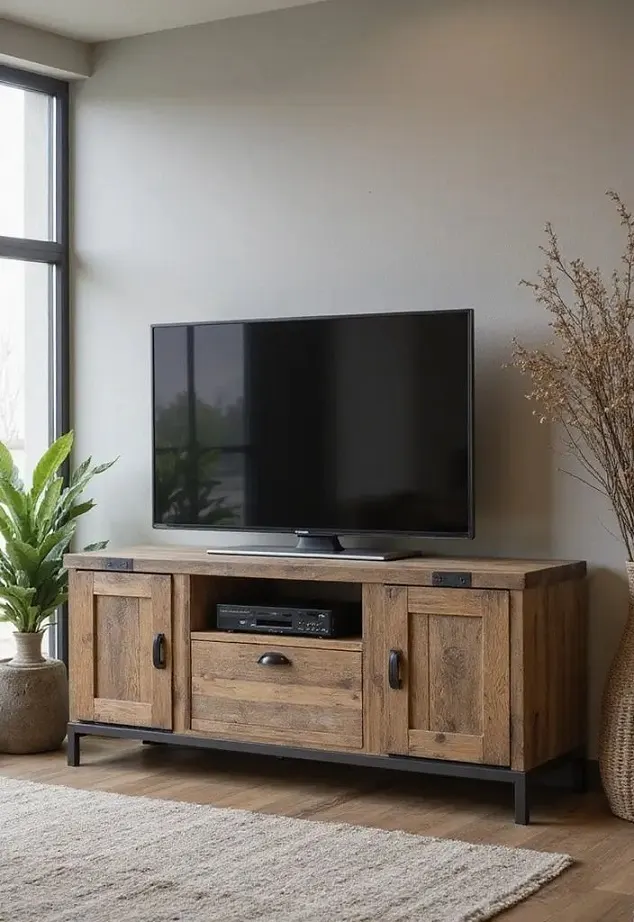
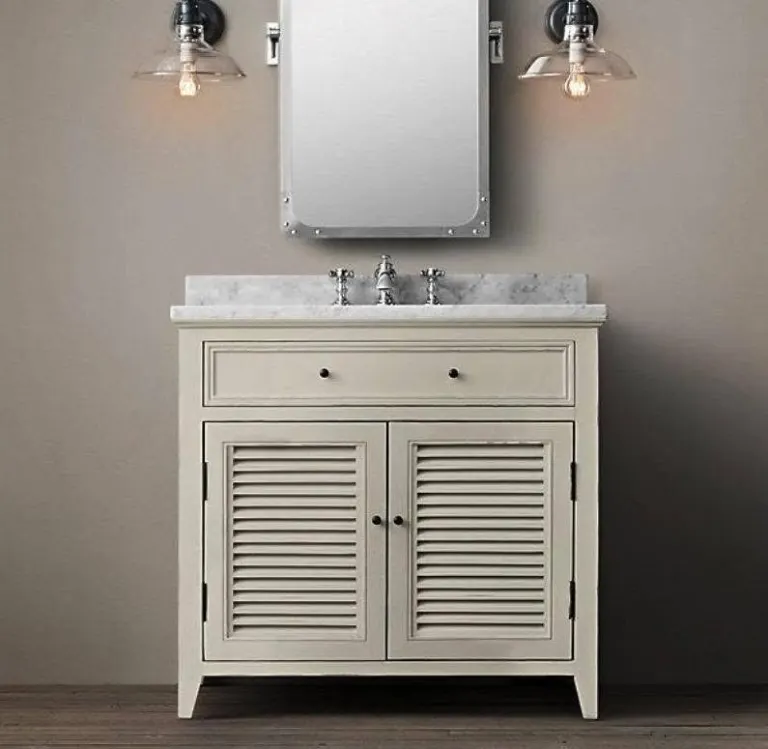
Production of luxury wooden kitchen cabinets.
Production of Luxury Wooden Kitchen Cabinets: Timber Science, Architectural Veneer Sequencing, Traditional Joinery, and Protective Finishing Systems The Production of Luxury Wooden Kitchen Cabinets represents the highest expression of architectural woodworking, combining centuries-old cabinetmaking traditions with computer-controlled precision engineering. While contemporary synthetic cabinetry relies on printed melamine papers or plastic laminates, the Production of Luxury Wooden Kitchen Cabinets celebrates authentic, living timber—utilizing kiln-dried hardwoods, quarter-sawn architectural veneers, multi-ply Baltic birch carcasses, and open-pore catalyzed finishes that preserve the organic warmth and tactile depth of natural wood.

Because real wood is a hygroscopic material that responds continuously to fluctuations in temperature and ambient humidity, executing the Production of Luxury Wooden Kitchen Cabinets at an international architectural standard requires rigorous timber science. Without precise moisture stabilization, balanced veneer lamination, and expansion-tolerant joinery, solid wood doors will warp, split, or bind within a single seasonal cycle. This comprehensive technical guide details the end-to-end engineering, material selection, joinery mechanics, and surface finishing protocols behind the Production of Luxury Wooden Kitchen Cabinets.
1. Timber Selection and Kiln-Drying Science
Every phase of the Production of Luxury Wooden Kitchen Cabinets begins in the timber yard. Selecting architectural-grade hardwoods requires strict grading for grain straightness, heartwood-to-sapwood ratios, and internal moisture equilibrium.
Premier Hardwood Species for Luxury Cabinetry
• American Black Walnut (Juglans nigra): Prized for its deep chocolate-brown heartwood, subtle purplish undertones, and swirling cathedral or straight-grain figures. It exhibits low shrinkage rates and machines cleanly on 5-axis CNC routers.
• European White Oak (Quercus robur) & American White Oak (Quercus alba): The dominant timber in contemporary architectural and Japandi luxury kitchens. White oak features closed tyloses in its cellular pores, making it naturally resistant to moisture penetration compared to red oak. Quarter-sawn and rift-sawn cuts yield coveted tight, linear medullary rays without wild cathedral arches.
• Smoked / Fumed Eucalyptus & Thermo-Treated Ash: Through thermal modification (heating timber to 180°C–215°C in an oxygen-free steam chamber) or ammonia fuming, wood sugars caramelize uniformly throughout the entire board thickness, producing rich espresso and cognac hues while permanently reducing the wood's equilibrium moisture content (EMC) by up to 50%.
• Hard White Maple (Acer saccharum) & European Beech: Dense, fine-pored diffuse hardwoods favored for structural interior drawer boxes, precision cutlery organizers, and painted solid-wood face frames.
Equilibrium Moisture Content (EMC) & Acclimatization
Before timber enters the millwork floor in facilities dedicated to the Production of Luxury Wooden Kitchen Cabinets, boards must be kiln-dried to an exact Equilibrium Moisture Content (EMC) of 6% to 8% (matching conditioned residential interiors at 20°C–22°C and 40%–50% relative humidity).
• Stress-Relief Conditioning: Kiln schedules conclude with a high-humidity conditioning phase to relieve case-hardening (internal drying stresses) so boards do not twist or pinch saw blades during ripping.
• Pinless Dielectric Moisture Verification: Quality control engineers scan incoming lumber packs with calibrated capacitance moisture meters; any plank exceeding 8.5% moisture is rejected back to the conditioning chamber.
2. Solid Wood vs. Architectural Veneered Core Engineering
A critical engineering distinction in the Production of Luxury Wooden Kitchen Cabinets is knowing where to deploy solid hardwood versus thick architectural veneers laminated over engineered cores.
Structural Component Recommended Timber Construction Engineering Rationale
Flat Slab Minimalist Doors Thick Architectural Veneer (0.9 mm – 1.5 mm) over HMR MDF or Blockboard Solid wood panels wider than 250 mm expand and contract across the grain by 3–6 mm seasonally, causing flat slab doors to cup or crack. Balanced veneer over an engineered core stays dead-flat across 2800 mm tall pantry doors.
Five-Piece Shaker Stiles & Rails Solid Kiln-Dried Hardwood (20 mm – 22 mm thick) Narrow solid wood stiles and rails (60–85 mm wide) exhibit negligible cross-grain movement while providing durable, dent-resistant edges and authentic corner joinery.
Shaker Center Recessed Panels Veneered MDF/Plywood Panel Floating in Groove with Spaceballs Floating the center panel inside a 10 mm deep perimeter groove with elastomer expansion balls (Spaceballs) allows seasonal movement without splitting the frame joints.
Cabinet Carcasses (Boxes) 18 mm – 20 mm Wood-Veneered Baltic Birch Plywood or Blockboard Delivers exceptional screw-holding power, moisture resistance, and a warm real-wood interior without excessive weight.
Drawer Boxes 15 mm – 16 mm Solid Hardwood (Walnut, Oak, or Maple) Solid timber sides execute crisp English dovetail joints that withstand decades of heavy cast-iron cookware loads.
3. Architectural Veneer Sequencing: Book-Matching and Slip-Matching
In bespoke Production of Luxury Wooden Kitchen Cabinets, veneer work is treated as fine marquetry rather than industrial lamination.
Flitch Selection and Guillotine Jointing
1. Whole-Log Flitch Procurement: Manufacturers purchase consecutive veneer leaves sliced from a single tree trunk (flitch), ensuring identical mineral streaks, color tone, and grain geometry across an entire kitchen elevation.
2. Book-Matching: Alternating veneer leaves are flipped open like the pages of a book, creating symmetrical mirror-image grain patterns across adjacent cabinet doors.
3. Slip-Matching & Plank-Matching: Consecutive leaves are slid side-by-side without flipping, producing a continuous, natural solid-plank appearance ideal for rift-cut white oak and walnut kitchens.
4. Blueprint Elevation Mapping: Before hot-pressing, master veneer technicians lay out numbered sheets on full-scale CAD elevation templates so grain patterns flow uninterrupted vertically from base drawers through upper cabinets and tall refrigerator panels.
5. Double-Sided Balancing: Every panel is pressed in hydraulic heated platen presses (90°C–110°C using low-emission urea-formaldehyde or PVAc adhesives) with an identical balancing veneer on the rear face to neutralize internal tension.
4. Precision Joinery Techniques in Luxury Wooden Cabinetry
The structural longevity of the Production of Luxury Wooden Kitchen Cabinets relies on mechanical wood-to-wood joinery reinforced with modern structural adhesives rather than exposed screws or staples.
1. Haunched Mortise-and-Tenon & Cope-and-Stick Frame Joinery
For traditional, transitional, and neoclassical shaker doors, solid hardwood stiles and rails are joined using precision CNC-milled haunched mortise-and-tenon joints or deep-profiled cope-and-stick joints. The haunch prevents the rail from twisting inside the stile groove, maintaining razor-sharp 90-degree door geometry.
2. English Dovetail Drawer Construction
Luxury wooden drawer boxes utilize interlocking trapezoidal pins and tails cut via multi-spindle dovetail routers:
• Mechanical Locking: The angled geometry of dovetail pins physically resists the pulling force exerted every time a heavy drawer is opened, even before glue is applied.
• 8 mm Veneered Plywood Bottoms: Inset into deep dado grooves 12 mm above the bottom edge of the drawer sides, housing concealed undermount soft-close runners (Blum Movento or Hettich Quadro) rated for 40 kg to 70 kg dynamic loads.
3. Solid Wood Edge Lipping (3 mm – 5 mm)
On veneered slab doors and shelving, factories apply 3 mm to 5 mm thick solid hardwood edge lippings using waterproof PUR (Polyurethane Reactive) adhesives before calibrating and veneer-pressing the faces. This protects vulnerable door edges against everyday knocks from pots and pans and allows subtle 2 mm micro-chamfering without exposing underlying substrate fibers.
4. Concealed Steel Straightening Rods
On floor-to-ceiling wooden pantry doors and integrated refrigerator panels exceeding 2100 mm in height, fabricators mill a vertical channel into the rear face of the door and install concealed adjustable steel tensioning rods beneath an anodized aluminum cover strip. These rods allow installers to fine-tune door flatness within 0.5 mm on-site regardless of seasonal HVAC shifts.
5. Surface Preparation and Wood Finishing Chemistry
In the Production of Luxury Wooden Kitchen Cabinets, finishing must protect natural timber against boiling steam, olive oil, red wine, turmeric, and acidic lemon juice without obscuring the natural beauty of the wood grain.
Multi-Stage Abrasive Sanding Progression
Raw wood fibers swell when exposed to liquid sealers. To achieve a furniture-grade surface:
1. Panels are calibrated through wide-belt sanders progressively from 120-grit -> 150-grit -> 180-grit -> 220-grit aluminum oxide abrasives.
2. Between sealer coats, artisans denib the raised grain using 320- and 400-grit stearated silicon carbide pads to create a silky, glass-smooth tactile surface.
Advanced Wood Coating Systems
• Two-Component (2K) Dead-Matte Acrylic-Polyurethane ("Natural Effect" Lacquer): The gold standard for modern Production of Luxury Wooden Kitchen Cabinets. Formulated with non-yellowing aliphatic isocyanates and ultra-fine matting agents (3–5 Gloss Units), this coating mimics the appearance of raw, untreated sanded wood while providing full chemical and moisture resistance compliant with EN 12720.
• UV-Cured Industrial Hardwax Oils: Blending natural vegetable oils (linseed, sunflower, soybean) and carnauba/candelilla waxes with photo-initiators cured instantaneously under UV lamps. Hardwax oil penetrates deep into the wood's cellular structure, enhancing grain chatoyancy (3D shimmer) and enabling localized spot-repair on-site without stripping the entire door.
• Custom Reactive Stains and Patinas: Water-borne and solvent-borne dyes, tannin-reactive iron-acetate aging solutions, and pigmented cerusing (liming) waxes brushed into open oak pores to highlight grain contrast.
6. Sustainability, Legal Timber Sourcing, and Indoor Air Quality
Discerning international architects and clients specifying the Production of Luxury Wooden Kitchen Cabinets mandate verifiable environmental stewardship:
• FSC (Forest Stewardship Council) & PEFC Chain of Custody: Certifies that all solid hardwoods, veneers, and plywood cores originate from responsibly managed forests with complete batch traceability.
• EUDR (EU Deforestation Regulation) Compliance: Full geolocation polygon documentation for all timber harvests entering European manufacturing and export supply chains.
• Ultra-Low VOC & Formaldehyde-Free Adhesives: Utilization of NAF (No-Added Formaldehyde) soy-based or MDI-bonded plywood cores, CARB Phase 2 / EPA TSCA Title VI substrates, and water-borne or high-solids low-VOC finishes that preserve healthy indoor air quality.