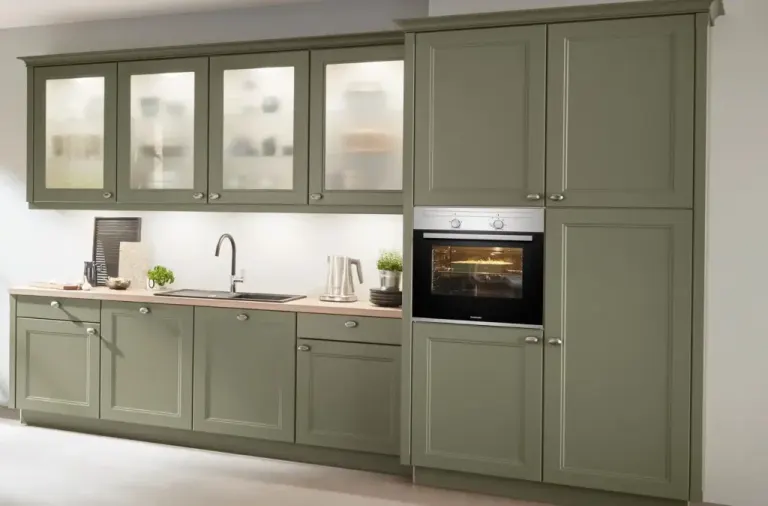
Powder-Coated MDF Technology, Electronic Customs Guarantees, and CAD Cyber-Security for the Import and Export of Kitchen and Bathroom Cabinets in Turkey
Operational leadership in the import and export of kitchen and bathroom cabinets in Turkey increasingly depends on mastering three high-precision industrial and regulatory disciplines: electrostatic powder-coated MDF (toz boyalı MDF) seamless door engineering, electronic customs guarantee integration (e-Teminat) under Turkish Ministry of Trade digital protocols, and ISO 27001 information security across proprietary architectural CAD/BIM file transfers. Positioned at the commercial crossroads linking European Union retail networks, North American multi-family construction developers, and Istanbul’s premier coastal luxury real estate market—spanning Sarıyer, Tarabya, İstinye, and Bebek—Turkey’s cabinetry sector operates at the forefront of manufacturing automation.
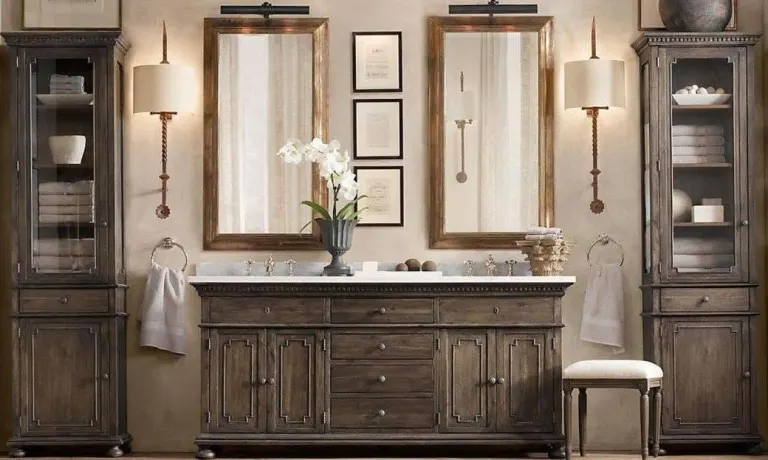
Export factories in Bursa-İnegöl, Kayseri, and İzmir deploy electrostatic powder-coating lines to deliver seamless, zero-edgeband waterproof cabinet fronts, while Turkish luxury developers and marina yacht-club contractors import ultra-bespoke European culinary systems and specialized hardware into Istanbul.
Navigating the import and export of kitchen and bathroom cabinets in Turkey at an enterprise level leaves zero margin for edge-delamination in high-humidity wet rooms, paper-based bank guarantee bottlenecks during customs clearance, or intellectual property leaks when sharing parametric Revit and CNC nesting files across borders. When an international retail brand or architectural studio transmits proprietary kitchen designs to an OEM factory in Turkey—or when a Turkish importer clears multi-container European culinary shipments through Istanbul Ambarlı or Erenköy customs terminals—deploying electronic bank letters of guarantee (e-Teminat) and ISO 27001-certified encrypted file-transfer vaults eliminates both border delays and industrial espionage risks. This comprehensive technical manual examines powder-coated MDF engineering, electronic customs guarantee mechanics, marina/coastal culinary pavilion specifications, and CAD/BIM data security governing the import and export of kitchen and bathroom cabinets in Turkey.
1. Electrostatic Powder-Coated MDF (Toz Boyalı MDF) Seamless Door Engineering
While PUR edgebanding and zero-joint laser polymer strips seal straight rectangular edges effectively, complex architectural profiles—such as integrated J-pull handleless doors, 45-degree chamfered edges, concentric fluted radii, and recessed finger-grip drawer fronts—cannot be sealed with conventional flat edgebanders. To achieve a continuous, waterproof, zero-seam envelope on complex 3D profiles in the import and export of kitchen and bathroom cabinets in Turkey, advanced Turkish finishing plants utilize electrostatic powder coating on conductive MDF.
Physics & Chemistry of Powder-Coated Cabinetry Fronts
1. Conductive High-Density MDF Substrate Pre-Conditioning:
• Because wood fiber is naturally insulating, specialized low-moisture, high-density MDF boards (780–820 kg/m³) engineered with controlled residual core conductivity (conditioned to 6.5%–7.5% moisture content) are CNC-routed into complex 3D profiles and preheated in infrared tunnels to bring core moisture to the surface, creating a uniform electrostatic grounding field.
2. Electrostatic Spraying & Low-Temperature IR/Convection Curing:
• Dry, solvent-free thermosetting epoxy-polyester or pure aliphatic polyester powder resins are electrostatically charged (60–80 kV) and sprayed onto all six faces and routed recesses simultaneously.
• Panels pass through precision catalytic infrared (IR) and low-temperature convection ovens (130°C–145°C for 12–18 minutes)—curing the powder into a continuous, seamless, monolithic polymer shell (100–140 microns thick) without overheating or warping the MDF core.
3. Technical Advantages Over Liquid Polyurethane Lacquer:
• Zero VOC & Zero Solvent Emissions: 100% solid powder overspray is reclaimed via cyclonic recovery booths with 98%+ material utilization, automatically satisfying UL GREENGUARD Gold, French VOC Class A+, and EU REACH environmental thresholds.
• Superior Impact & Moisture Impermeability: Seamless wrap-around coverage eliminates vulnerable edge joints on bathroom vanities and sink base doors, passing EN 12720 chemical resistance and ISO 1518 scratch hardness tests at 30%–40% faster curing cycle times than multi-coat wet lacquers.
2. Electronic Customs Guarantees (e-Teminat) & Digital Surety Architecture in Turkey
Whether importing high-value European kitchen systems under bonded warehouse (antrepo) or partial-shipment regimes, or importing Austrian hardware and German foils tax-free under Inward Processing (DİR) to manufacture export cabinets, posting customs guarantees is a daily operational requirement in the import and export of kitchen and bathroom cabinets in Turkey.
Eliminating Paper Guarantee Delays via Turkey’s e-Teminat System
Guarantee Dimension Legacy Paper Bank Letter of Guarantee Turkish Electronic Guarantee (e-Teminat / BİLGE Integration) Operational & Financial Advantage
Issuance & Customs Registration Physical paper letter printed by Turkish bank, couriered to customs broker, and manually verified by customs accounting officers (1–3 business days). Bank transmits encrypted XML electronic guarantee message directly to Turkish Ministry of Trade servers; unique 23-digit e-Teminat reference ID appears instantaneously in BİLGE. Cuts customs guarantee registration time from 48 hours to under 15 minutes, preventing port demurrage at Ambarlı, Gemlik, and Mersin.
Multi-Declaration Lump-Sum Coverage (Götürü Teminat) Separate paper letters required per DİİB license or bonded warehouse entry. Single electronic Lump-Sum Guarantee dynamically tracks credit utilization and automated release across hundreds of concurrent import/export declarations. Frees up corporate commercial bank credit lines for raw material procurement and working capital.
Release & Cancellation (Teminat Çözümü) Physical letter must be stamped and returned manually to the issuing bank after DİR closure or bonded warehouse exit. Upon electronic DİR closure (taahhüt kapatma) or customs release, BİLGE transmits an automated electronic discharge notice directly to the bank. Eliminates lost-document bank commission charges that previously continued accruing months after export completion.
3. Luxury Marina & Coastal Culinary Pavilions in Istanbul (Sarıyer) & Bodrum
On the luxury architectural front of the import and export of kitchen and bathroom cabinets in Turkey, ultra-prime waterfront estates and superyacht marina clubs along Istanbul’s northern Bosphorus—spanning Sarıyer (Tarabya, İstinye, Yeniköy, Büyükdere)—and Aegean yachting hubs (Bodrum Yalıkavak, Göcek, Çeşme) demand specialized semi-outdoor and marine-adjacent culinary pavilions.
Engineering Joinery for High-Salinity Bosphorus & Aegean Microclimates
• Galvanic Isolation & Marine Metallurgy: Standard indoor cabinetry installed inside retractable-glass terrace kitchens or marina-side pool houses suffers rapid galvanic corrosion when stainless-steel fasteners contact anodized aluminum frames in salt-laden marine air. Export- and luxury-grade specifications mandate AISI 316L molybdenum-alloyed stainless steel hinges and drawer runners, EPDM dielectric isolation washers separating dissimilar metals, and Qualicoat Seaside-certified architectural powder coatings on extruded aluminum frames.
• Integrated Climate-Controlled Wine & Cigar Joinery: High-end imported European kitchen systems and custom Istanbul architectural joinery frequently embed dual-zone thermoelectric or compressor wine-conditioning columns and cedar-lined humidor drawers—requiring dedicated rear acoustic-insulated exhaust plenums and 12mm thermal-break aerogel insulation panels separating refrigerated cavities from adjacent wooden cabinetry carcasses to prevent exterior condensation sweating during humid summer months.
4. Cross-Border Supply-Chain Cyber-Security & CAD/BIM IP Protection (ISO 27001)
As the import and export of kitchen and bathroom cabinets in Turkey relies heavily on exchanging proprietary Revit BIM models, Parametric IMOS/Cabinet Vision libraries, CNC nesting files, and confidential retail pricing matrices across international networks, cyber-security and data governance have become formal vendor qualification criteria.
Securing Proprietary Designs & Financial Wire Transfers
1. ISO/IEC 27001 Information Security Management:
• Leading Turkish cabinetry exporters (and mandatory for all YYS / AEO certified operators) maintain ISO/IEC 27001 certification, enforcing role-based access control (RBAC) on CAD servers so factory floor operators view only barcoded CNC machine instructions without access to client architectural master files or global retail pricing spreadsheets.
2. BEC (Business Email Compromise) & IBAN Verification Controls:
• Cross-border cabinet shipments involving 30%–70% SWIFT wire transfers are prime targets for invoice-spoofing cyberattacks. Institutional buyers and Turkish exporters enforce dual-channel out-of-band IBAN verification (confirming bank account details via live video call or signed SWIFT MT199/MT760 bank confirmation prior to transferring initial deposits) and prohibit mid-contract bank account changes via standard email.
5. Frequently Asked Questions (Powder-Coated MDF, e-Teminat & Cyber-Security)
What are the advantages of electrostatic powder-coated MDF cabinet doors over traditional wet lacquer?
Powder-coated MDF (toz boyalı MDF) creates a seamless, monolithic polymer coating across complex 3D routed handles and edges with zero edgeband glue lines, zero VOC solvent emissions (meeting UL GREENGUARD Gold and French A+ standards), superior impact and moisture resistance, and faster curing cycles.
How does Turkey’s electronic guarantee system (e-Teminat) speed up cabinetry imports and exports?
Under the e-Teminat system integrated with Turkey’s BİLGE customs platform, Turkish banks transmit encrypted guarantee approvals directly to customs servers within minutes—eliminating physical courier delays for customs bonds, DİR inward processing guarantees, and bonded warehouse clearances.
What materials prevent corrosion in luxury outdoor and marina-side kitchens in Istanbul and Bodrum?
Marine-adjacent culinary pavilions require AISI 316L marine-grade stainless-steel hardware, Qualicoat Seaside-certified powder-coated aluminum frames, EPDM dielectric isolation washers to prevent galvanic corrosion, and closed-cell PVC or compact HPL carcasses.
How do international buyers protect proprietary CAD/BIM designs and wire transfers when working with Turkish suppliers?
Buyers should select ISO/IEC 27001-certified manufacturers that restrict CAD file access via role-based permissions, execute bilingual NNN (Non-Disclosure, Non-Use, Non-Circumvention) agreements, and enforce dual-channel out-of-band bank IBAN verification before releasing SWIFT deposits.