Nano-Ceramic Surface Chemistry, Pre-Arrival Customs Clearance, and Oversized Monolith Logistics for the Import and Export of Kitchen and Bathroom Cabinets in Turkey
Achieving institutional superiority in the import and export of kitchen and bathroom cabinets in Turkey requires mastering the physical limits of next-generation surface coatings, ultra-fast pre-arrival customs clearance protocols, and specialized rigging logistics for oversized architectural monoliths.
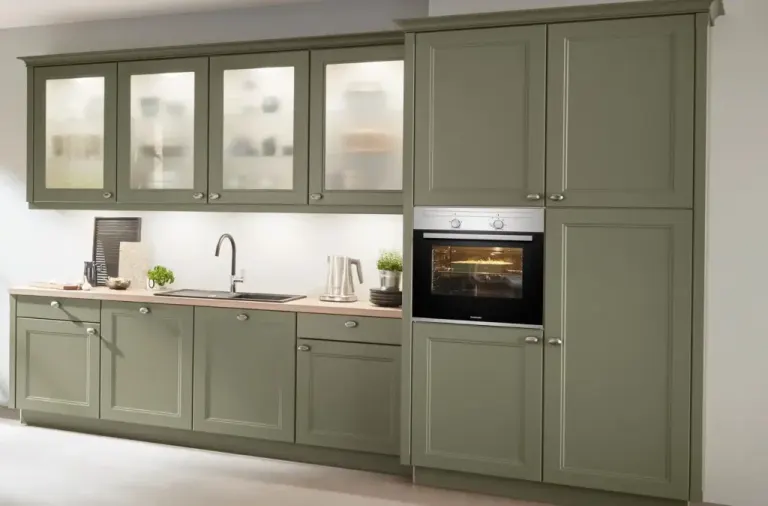
Positioned at the commercial crossroads linking European design-led retail networks, North American luxury residential developments, and Istanbul’s premier coastal construction districts—including Sarıyer, Beşiktaş, Yeniköy, and Levent—Turkey’s cabinetry sector increasingly trades high-value architectural pieces rather than standard modular boxes alone. Export factories in Bursa-İnegöl, Istanbul, and İzmir now press nano-ceramic anti-fingerprint laminates and Physical Vapor Deposition (PVD) brushed metallic fronts onto moisture-resistant cores, while Turkish luxury importers and developers bring 3.6-meter monolithic European culinary islands and double-bowl sintered-stone vanity suites into Istanbul’s Bosphorus waterfront residences.
Navigating the import and export of kitchen and bathroom cabinets in Turkey across these high-specification segments demands eliminating border delays and transit structural stresses before cargo leaves the factory floor. Utilizing Turkey’s Pre-Arrival Customs Clearance (Varış Öncesi Gümrükleme) regime enables eligible importers to clear European cabinetry and specialized components hours before vessels berth at Ambarlı or Gemlik ports, while engineering reinforced internal steel-truss subframes prevents torsional cracking in oversized island monoliths during crane hoists and ocean transit. Equally vital, backing international supply contracts with Istanbul Arbitration Centre (ISTAC) or ICC expedited arbitration clauses ensures enforceable cross-border dispute resolution. This technical manual examines nano-ceramic and PVD surface tribology, pre-arrival customs administration, oversized monolith structural crating, and institutional arbitration governance across the import and export of kitchen and bathroom cabinets in Turkey.
1. Next-Generation Surface Chemistry: Nano-Ceramic, PVD Metallic, and Self-Healing Polymers
In contemporary luxury kitchens and spa-grade bathrooms, conventional melamine and standard high-gloss acrylics are rapidly being displaced by advanced functional surface technologies. Specifying and auditing these coatings accurately is essential in the import and export of kitchen and bathroom cabinets in Turkey.
Technical Breakdown of Advanced Cabinetry Surfaces
1. Electron-Beam Cured (EBC) Nano-Ceramic & Self-Healing Matte Polymers (Fenix-Class):
• Chemical Architecture: Multi-layer cellulose core papers impregnated with thermosetting phenolic resins are coated with next-generation acrylic-ceramic nanoparticles and cured instantaneously under an electron-beam accelerator in an oxygen-free nitrogen atmosphere.
• Performance Metrics: Produces an ultra-low light-reflectance surface (1.5 to 3.0 Gloss Units at 60°) that is completely impervious to fingerprints, resists dry heat up to 180°C, passes EN 438-2 abrasion and impact benchmarks, and allows thermal micro-scratch healing (applying a damp cloth and household iron at 120°C realigns cross-linked polymer chains to erase superficial scuffs).
2. Real PVD-Coated Brushed Stainless & Architectural Brass Laminates:
• Fabrication in Turkey: Rather than relying on painted "metallic-look" foils that scratch easily, export-oriented Turkish factories press 0.4mm–0.6mm real brushed AISI 304 stainless steel or architectural aluminum sheets treated via Physical Vapor Deposition (PVD) (in titanium gold, smoked bronze, gunmetal, or rose copper) onto 18mm moisture-resistant MDF.H cores, edged with matching 1.5mm solid brushed aluminum or PVD-ABS edgebands via reactive PUR adhesives.
• Wet-Zone Advantage: PVD ceramic-nitride molecular bonding increases surface Vickers hardness by 300% over bare metal and resists bathroom steam, alkaline soaps, and coastal salt air without patinating or oxidizing unevenly.
3. Anti-Lime & Hydrophobic Oleophobic Glass/Mirror Coatings:
• For illuminated bathroom mirror cabinets and shower-adjacent vanity glass fronts, Turkish and European processors apply nanoscale fluorosilane hydrophobic coatings cured at 180°C—creating a >110° water contact angle that repels hard-water mineral limescale deposits and soap scum.
2. Pre-Arrival Customs Clearance (Varış Öncesi Gümrükleme) in Turkey
For Turkish importers bringing time-sensitive European kitchen systems, German motion hardware, or Italian sintered-stone vanity tops into Istanbul, Izmir, or Mersin—and for Turkish manufacturers importing specialized inputs under Inward Processing (DİR)—waiting until a vessel unloads to initiate customs formalities adds 3 to 6 days of port terminal storage and demurrage.
Accelerating Import Release Under Turkish Customs Communiqué Serial No. 1
Clearance Stage Standard Post-Arrival Customs Workflow Pre-Arrival Customs Clearance (Varış Öncesi Gümrükleme) Operational & Financial Impact
Summary Declaration (Özet Beyan) & BİLGE Filing Import declaration is registered after vessel arrival and terminal discharge manifest confirmation. Electronic BİLGE import declaration is lodged and registered while the vessel is still at sea (up to 48–72 hours prior to port arrival). Eliminates post-discharge administrative queue; duties/taxes are calculated and paid before container touches the quay.
TAREKS & Agricultural Quarantine Checks Risk assessment triggers after declaration registration, stalling container inside terminal bonded yard. TAREKS CE safety approvals (for LED mirror cabinets/appliances) and Zirai Karantina wood checks are completed prior to berthing. Zero port demurrage or terminal storage (ardiye) charges; containers move directly from ship-to-chassis onto delivery trucks.
Eligibility Requirements in Turkey Open to all registered Turkish tax entities. Available to YYS (AEO) holders, OKSB approved persons, and industrial manufacturers holding an active Industrial Registry Certificate (Sanayi Sicil Belgesi). Ideal for Turkish cabinetry factories importing European panels/hardware and established luxury showroom importers.
3. Oversized Monolithic Kitchen Islands & Double-Vanity Structural Logistics
Modern architectural floor plans frequently specify 3,200mm to 4,200mm monolithic waterfall kitchen islands and 2,400mm cantilevered double-basin bathroom vanities clad in mitered 12mm sintered stone or book-matched walnut veneer. Moving these oversized structures across borders in the import and export of kitchen and bathroom cabinets in Turkey requires specialized structural rigging beyond standard palletization.
Engineering & Crating Monolithic Architectural Units
1. Internal Steel-Truss Deflection Frame:
• Any wall-hung double vanity exceeding 1,800mm span or cantilevered island overhang exceeding 350mm must incorporate an internal welded structural steel tube chassis (40mm × 40mm × 3mm box section, hot-dip galvanized or epoxy powder-coated) concealed inside the carcass top rail—limiting mid-span vertical deflection under heavy stone basins to < 1.0mm.
2. 40’ Open-Top / Flat-Rack & Reinforced Skeleton Crating:
• Monolithic assemblies that cannot be knocked down into flat-pack boxes are bolted onto heavy-duty ISPM 15 timber skid bases equipped with elastomeric shock-absorbing spring mounts and enclosed in 18mm OSB/plywood full-sheathed crates fitted with external 3D tilt-and-impact indicators and reinforced forklift/crane lifting eyes.
4. Cross-Border Dispute Arbitration & Escrow Governance (ISTAC & ICC)
When high-value contracts in the import and export of kitchen and bathroom cabinets in Turkey span multiple jurisdictions—such as a Turkish manufacturer supplying a $1.2 million hospitality fit-out in London or Dubai, or a Turkish developer importing €600,000 of bespoke Italian culinary joinery into Istanbul—standard domestic court litigation is too slow and difficult to enforce across borders.
Drafting Enforceable Arbitration & Escrow Clauses
• Istanbul Arbitration Centre (ISTAC) Fast-Track Rules:
• Incorporating the ISTAC Arbitration Clause into cross-border cabinetry agreements provides a neutral, internationally recognized forum seated in Istanbul (with proceedings conducted in English). Under ISTAC’s Fast-Track Arbitration Rules (applicable automatically to disputes up to TRY 10,000,000 or by party agreement for larger commercial claims), a sole arbitrator issues a final, binding award within three (3) months—enforceable in over 170 countries under the 1958 New York Convention.
• Technical Expert Determination (Teknik Hakemlik) for Quality & Finish Disputes:
• Pair arbitration clauses with a binding pre-arbitral Technical Expert clause designating an accredited third-party testing body (SGS, Bureau Veritas, or TÜV) to measure disputed panel dimensions, moisture content, or Δ E₂₀₀₀ lacquer color tolerances within 10 business days—resolving technical disputes objectively without halting construction handovers.
5. Frequently Asked Questions (Nano-Ceramic Surfaces, Pre-Arrival Customs & Monolith Logistics)
What makes electron-beam cured (EBC) nano-ceramic cabinet fronts superior for export kitchens and vanities?
EBC nano-ceramic surfaces feature a 1.5–3.0 GU ultra-matte anti-fingerprint finish, resist dry heat up to 180°C, withstand harsh household chemicals, and allow thermal micro-scratch healing using gentle heat—eliminating surface damage complaints during transit and installation.
How does Pre-Arrival Customs Clearance (Varış Öncesi Gümrükleme) save money for Turkish importers?
By registering the BİLGE customs declaration and completing TAREKS safety checks while the container ship is still en route to Turkey, eligible industrial manufacturers and YYS/OKSB importers clear customs before vessel discharge—eliminating port storage (ardiye) and container demurrage fees.
How are oversized 3-to-4-meter monolithic kitchen islands and double vanities protected during international shipping?
Oversized units are built around an internal galvanized steel structural box-section chassis to prevent mid-span flexing, bolted onto shock-mounted ISPM 15 timber skids inside full-sheathed 18mm plywood crates equipped with external tilt and impact indicators.
What is the fastest enforceable arbitration mechanism for cross-border cabinetry disputes involving Turkey?
Specifying the Istanbul Arbitration Centre (ISTAC) Fast-Track Rules in English yields a final, binding arbitral award within three months that is legally enforceable across more than 170 signatory nations under the New York Convention.