Matching Vanity Cabinet Models to Hotel Cleaning Routines: Designing Around Housekeeping Time per Room
Every vanity model adds or removes seconds from a housekeeper's routine. This guide shows how fronts, junctions and undersides affect cleaning time, so you can choose models around how your hotel actually operates.
Hotel vanity housekeeping design is the practice of choosing cabinet models, surfaces and details according to how quickly and reliably a room attendant can clean them. A vanity that looks excellent in a render but needs extra steps at every turnover costs the hotel labour every day for years. This article explains which model features change cleaning time, and how to match them to your own operating routine.
We do not quote fixed minutes here, because cleaning times vary with brand standards, staffing, guest turnover and training. What we can do is show where time is gained or lost, so you can test the points on your own mock-up room.
Start with the cleaning routine, not the catalogue
Before comparing models, ask the housekeeping or operations team how a bathroom is cleaned today. The sequence is usually similar: remove amenities, spray and wipe the top and basin, wipe the front and mirror, clean the floor around the unit, then reset the amenities. Each vanity feature either supports or interrupts this sequence.
Useful questions to collect before you specify:
- Which cleaning chemicals are used on surfaces, and are they changed by brand or region?
- Is the floor cleaned with a mop, a cloth or a machine, and does it need to pass under the unit?
- How many rooms does an attendant clean per shift, and how long is each bathroom expected to take?
- Are deep cleans scheduled separately from daily turnover cleaning?
These answers turn a subjective design preference into a practical specification.
Where a vanity adds or removes cleaning time
Housekeepers spend time wherever dirt collects, where the cloth cannot reach, or where a surface needs special care. In practice, five zones matter most.
1. Front style: flat versus profiled
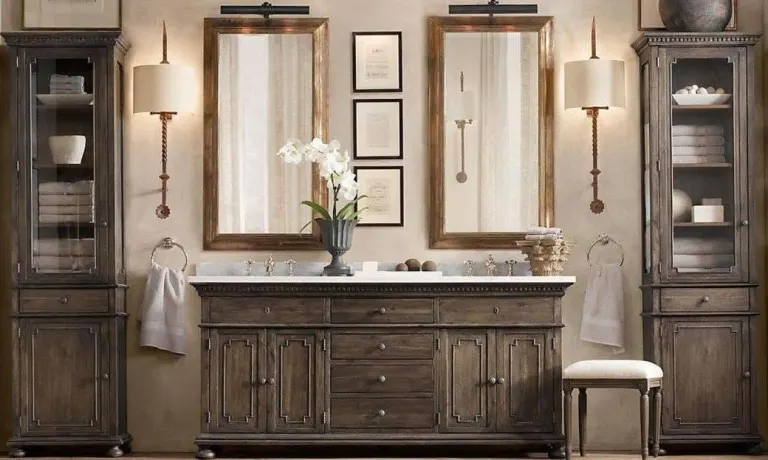
A flat, smooth front can be cleaned with a single wipe. Shaker-style frames, fluted panels and routed profiles are attractive, but dust, soap residue and toothpaste splashes settle into the grooves and need a second pass, sometimes with a brush.
This does not mean profiled fronts should be avoided. It means you should use them deliberately: a flat front on the lower, splash-exposed area and a decorative detail on the upper or less exposed zone is a common compromise. If you want a fluted look for the brand, ask for wider flutes with rounded valleys, which are easier to wipe than narrow, sharp ones.
2. Open undersides versus closed plinths
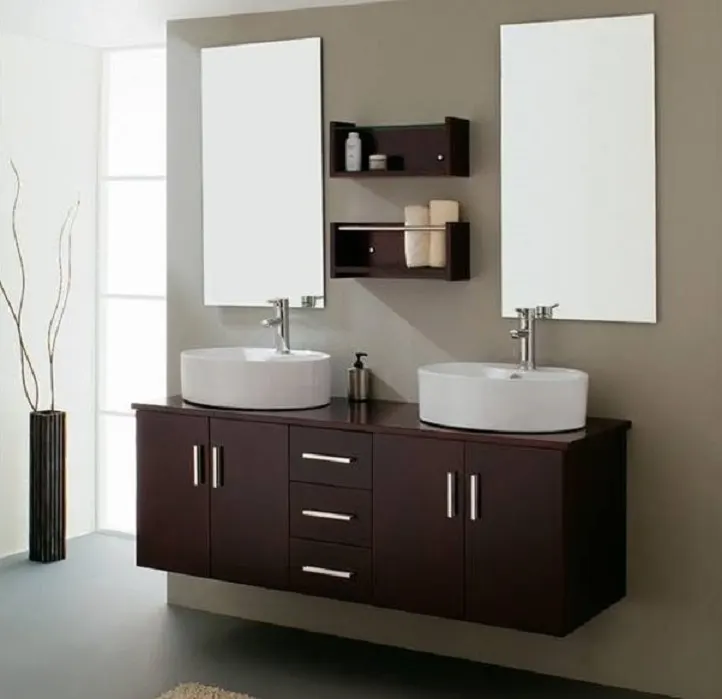
A wall-hung unit leaves the floor visible beneath it, so a mop can pass straight through and attendants can see at a glance whether the floor is clean. A floor-standing unit with a plinth removes that gap, but the plinth must be sealed and water-resistant, and it must not trap dirt along the wall junction.
Open-leg washstands and consoles give the most visibility, but they also expose pipework and anything stored below. If you choose this model, the plumbing finish and any basket or shelf become part of the housekeeping routine, so specify them with the same care as the top.
3. Sealed junctions and joints
The weak points of any vanity are where two surfaces meet: top to wall, top to basin, top to front and cabinet to floor. A continuous, neatly applied sealant line can be wiped like any other surface. A gap, an open edge or a poorly finished joint collects water and grime, and it is also where staining and swelling start.
Where the design allows, reduce the number of joints. An integrated basin, for example, removes the basin rim line altogether. Where joints remain, agree the sealant type and finishing standard in the drawings so that the site installer does not improvise.
4. Hardware and handles
Handles, finger pulls and hinges are touched constantly and attract fingerprints and splashes. Protruding handles also catch cloths and can snag on trolleys. Recessed finger pulls and integrated grips give a smooth outline, though the recess itself needs to be wide enough for a cloth or a gloved finger to clean.
Stainless or well-finished hardware should be checked against the cleaning chemicals used. Some finishes dull or mark when exposed to strong disinfectants over time, so test a sample with the product the hotel actually uses.
5. Top, upstand and wall junction
The top is wiped on every turnover, so its surface and edge matter more than almost any other detail. A low-texture, non-porous top wipes quickly. A raised upstand or a short splash panel keeps water off the wall finish and gives the cloth a clean line to follow, while a sharp, unsealed corner behind the basin tends to stay dirty.
Comparing models by cleaning behaviour
The table below summarises how common model types tend to behave in daily cleaning. It is a planning guide, not a measurement; actual times depend on your staff and standards.
| Model feature | Cleaning advantage | Watch point |
|---|---|---|
| Flat, handleless front | Single wipe; few places for residue | Shows fingerprints on some finishes; needs a clear opening method |
| Wall-hung unit | Floor visible and mop-friendly | Needs a strong, concealed fixing system and tidy wall plumbing |
| Floor-standing with sealed plinth | Solid appearance, easy to wipe if sealed | Wall and floor junctions must be sealed and kept dry |
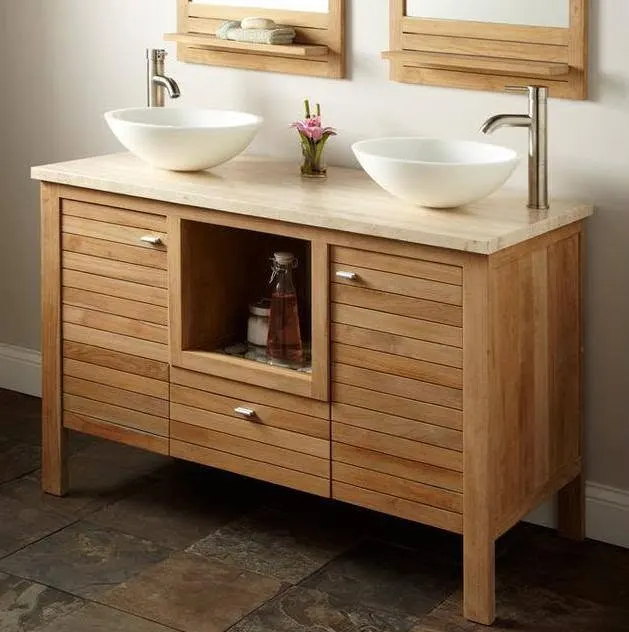
| Open shelf or basket | No doors to clean; contents visible | Items need regular resetting; shelf edges collect dust |
| Fluted or profiled front | Strong visual character | Grooves may need extra brush work |
| Integrated basin and top | Fewer joints, continuous surface | Repairs are less modular; plan the material carefully |
Matching model to operating routine
Different hotels have different cleaning pressures, so the right model changes with the property.
High-turnover city and budget hotels
Where attendants have limited time per room, simplicity pays. Flat fronts, few joints, a wipe-down top and either a wall-hung unit or a well-sealed plinth are usually the most practical combination. Decorative detail is best kept to what can be cleaned in the same single wipe.
Resorts and leisure hotels
Longer stays and a higher service standard allow a little more detail, but sand, sunscreen and humidity add their own challenges. Surfaces should tolerate frequent damp wiping, and any open storage should be easy to reset between guests.
Luxury and boutique properties
These hotels often accept more intricate finishes because cleaning time per room is longer and staff are trained for delicate materials. Even so, specify the care routine with the design. A beautiful natural stone or veneer front that needs a special product should come with clear instructions for housekeeping and engineering.
Extended-stay and serviced apartments
Guests cook, store belongings and stay longer, so the vanity is exposed to more varied use. Easy-clean surfaces and concealed storage reduce the chance of residue building up between full cleans.
Design details that quietly save effort
Small details often make the difference between a vanity that cleans in one pass and one that needs several.
- Rounded or eased edges on the top and doors, which wipe more cleanly than sharp arrises.
- A drip edge or slight overhang that keeps water from running down the front of the doors.
- Sufficient clearance between the unit and the wall so a cloth can reach, or no gap at all with a sealed joint.
- Soap dispensers, trays and amenity holders placed so they can be lifted off without disturbing the whole top.
- Fixed or integrated holders, where appropriate, so the surface is not constantly crowded with loose items.
- Access panels that allow engineering to reach plumbing without damaging seals that housekeeping depends on.
How to test cleaning time in the mock-up room
The most reliable way to compare models is to include the housekeeping team in the mock-up review. Ask an experienced attendant to clean the bathroom as they would on a normal turnover, and note where they slow down, change tools or ask for a different product.
Check these points during the test:
- Time and effort needed to wipe the top, basin and front.
- Any area that needs a brush or special cloth.
- Whether the floor beneath or beside the unit can be cleaned easily.
- How the finishes respond to the actual cleaning chemicals after repeated wiping.
- Whether the amenity layout is quick to reset.
Photograph and record any problem points, then decide whether to change the model, the finish or the detail. It is far cheaper to adjust the design at the sample stage than after the full order is in production.
Brief your manufacturer with housekeeping in mind
A factory can only build for cleaning ease if it knows what the routine is. Include a short note in your specification stating the cleaning chemicals, the floor cleaning method, the target turnover pattern and any areas that caused problems in previous projects. With this information, we can suggest edge treatments, front styles and sealing details that fit the way your teams work.
Conclusion
Hotel vanity housekeeping design is not about choosing the plainest model; it is about understanding where each design feature adds or removes work, and matching that to the property. Flat fronts, sealed junctions, visible floor space and wipe-down tops help most hotels, while decorative details can still be used where the cleaning team can support them.
If you are selecting vanity models for a new hotel or a renovation, send us your drawings and a short description of your cleaning routine. We will review the options and suggest models and details that suit both your design and your operation.
Sıkça Sorulan Sorular
Which vanity front style is easiest for housekeepers to clean?
A flat, smooth front with a handleless or recessed opening is usually the quickest to wipe, because there are no grooves or raised profiles to hold residue. Profiled, fluted or framed fronts can still work, but they often need an extra pass or a brush during cleaning.
Is a wall-hung vanity easier to clean than a floor-standing one?
Often yes, because the open space beneath lets a mop pass through and makes floor condition visible. However, wall-hung units need a strong concealed fixing system and tidy plumbing. A floor-standing unit with a sealed, water-resistant plinth can also clean well if its junctions are properly finished.
How can sealed joints reduce cleaning effort in hotel bathrooms?
Neatly sealed joints between the top, wall, basin and cabinet can be wiped like any other surface. Gaps and open edges collect water and grime, and they are where staining and swelling often begin. Fewer joints and a defined sealant finish in the drawings make cleaning more consistent.
Do cleaning chemicals affect vanity finishes and hardware?
They can. Strong disinfectants may dull or mark some metal finishes, laminates and lacquers over time. Test samples with the products your housekeeping team actually uses, and share the cleaning chemical list with the manufacturer before finishes and hardware are confirmed.
Can housekeeping staff help evaluate a vanity mock-up?
Yes, and it is highly recommended. Ask an experienced attendant to clean the mock-up bathroom normally and note where they slow down or need extra tools. Their feedback shows practical problems that drawings and renders rarely reveal, while changes are still inexpensive.
Every hotel project is different. Send us your drawings or room schedule for a tailored proposal on materials, lead time and shipping.