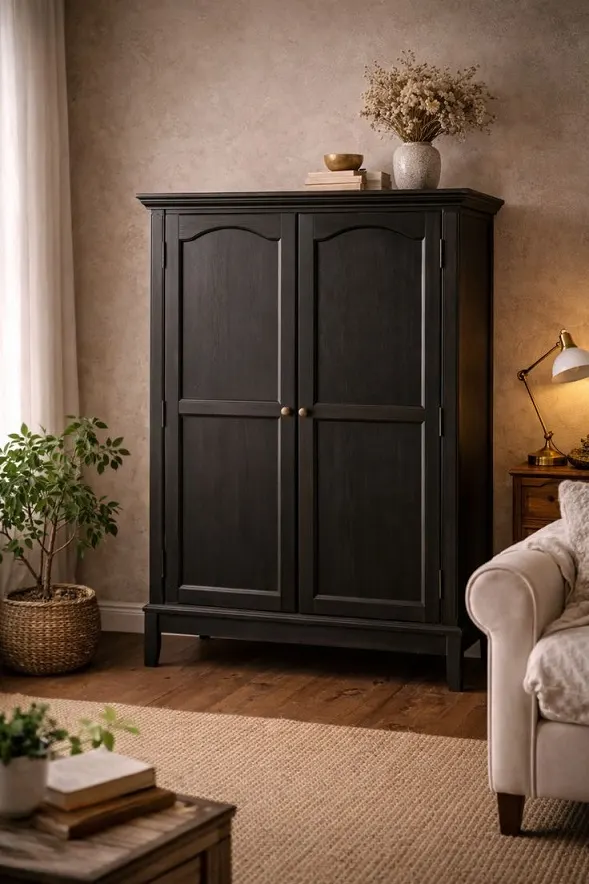
What Is FF&E for Hotel Bedrooms? A Plain Explanation for First-Time Developers
FF&E stands for furniture, fixtures and equipment: the movable items that furnish a hotel once the building is finished. This guide explains what it covers in a guest room and which parts a joinery factory typically supplies.
If you are asking what is FF&E in a hotel, the short answer is this: FF&E means furniture, fixtures and equipment, the items that make a finished building usable as a hotel. In a guest room, that covers beds, wardrobes, desks, chairs, curtains, lamps, televisions and similar pieces. They are not part of the building structure, but guests would notice at once if they were missing.
For first-time developers, the term can be confusing because different parties use it slightly differently. This guide gives you a practical definition, shows how FF&E differs from related terms, and explains which items a joinery factory like Palmiye normally supplies and which it does not.
FF&E in plain words
Think of FF&E as everything you could, in principle, unscrew, unplug or carry out of the room without demolishing the building. The architect and main contractor deliver walls, floors, ceilings, plumbing and the electrical and HVAC installations. FF&E is what turns that shell into a room a guest can sleep in.
The three words are worth separating:
- Furniture: loose or freestanding pieces such as beds, bedside tables, chairs, sofas and luggage racks.
- Fixtures: items that are attached to the building but are not part of its structure, such as fitted wardrobes, wall-mounted headboards, mirrors and decorative light fittings.
- Equipment: functional items such as televisions, minibars, safes, kettles and hairdryers.
Be aware that the boundary between fixtures and building works varies from project to project. Always confirm in writing who is responsible for each item, so that nothing falls between the contractor and the FF&E package.
FF&E vs OS&E: what is the difference?
The comparison of FF&E vs OS&E causes more confusion than almost any other hotel procurement term. OS&E stands for operating supplies and equipment. These are the smaller, consumable or frequently replaced items the hotel needs to operate day to day.
| Category | Typical guest room examples | Typical lifespan |
|---|---|---|
| FF&E | Beds, wardrobes, desks, headboards, curtains, lighting, TVs | Several years; often capitalised in the budget |
| OS&E | Linen, towels, hangers, glassware, amenities, trays, bins | Short; replaced regularly through operating costs |
A simple rule of thumb: if it is a durable item that stays in the room for years, it is usually FF&E. If housekeeping or purchasing replenishes it regularly, it is usually OS&E. Accounting treatment differs by country and owner, so confirm the classification with your finance team or auditor.
A guest room FF&E list
A guest room FF&E list is the starting point for budgeting and procurement. A typical hotel bedroom includes the items below, though a specific list depends on the brand, star category and room type.
Case goods and fixed joinery
- Bed base and headboard
- Bedside tables
- Wardrobe or open hanging unit, including interior fittings
- Desk or writing table, and sometimes a dressing table
- Minibar or coffee station cabinet
- Luggage bench or rack
- Wall panelling and bedhead wall details
Soft furnishings and seating
- Upholstered chairs, armchairs, sofas and ottomans
- Curtains, blackout liners and sheers
- Carpets and rugs
- Upholstery on headboards and bed ends
Lighting, decor and equipment
- Table lamps, floor lamps and decorative fittings
- Mirrors and artwork
- Television and brackets
- Room safe and minibar fridge
- Telephone, kettle and similar appliances
Bathroom items such as vanity units may be part of the FF&E package or part of the construction contract, depending on how the project is organised.
Why the hotel FF&E budget matters early
The hotel FF&E budget is usually one of the largest single cost blocks after construction, and guest room furniture often makes up a major share of it. Because lead times for custom items can be long, budgeting and ordering should start well before the rooms are ready for installation.
When you build the budget, consider more than the unit price of each piece:
- Design and shop drawing development
- Sampling or a mock-up room
- Packing and export shipping
- Import duties and local transport
- Installation and snagging
- A small allowance for spare parts and replacements
We deliberately avoid quoting a typical figure here, because cost varies widely with the hotel category, materials, number of rooms and destination. A better approach is to collect a room schedule and drawings, then ask suppliers to price against the same specification.
What a joinery factory typically supplies
A furniture and joinery manufacturer does not supply everything on the list above. Understanding where the scope starts and ends helps you split packages sensibly and avoid gaps.
A factory such as Palmiye, producing to project drawings in Istanbul, typically covers:
- Bedroom case goods: bed bases, headboards, bedside tables, desks, dressing tables and drawer units.
- Fixed joinery: wardrobes, wall panelling, minibar cabinets, luggage benches and built-in shelving.
- Public area and restaurant furniture: where the project includes it.
- Doors and kitchen cabinetry: for suites, serviced apartments or back-of-house areas.
- Supporting services: shop drawings, sampling, export packing, shipping coordination and on-site installation where agreed.
What a joinery factory typically does not supply
These items normally come from other specialists or from your interior designer's procurement route:
- Televisions, minibar fridges, safes and other electronic equipment
- Mattresses and bedding, unless agreed separately
- Loose decorative lighting, artwork and accessories
- Carpets and curtains, which come from textile or flooring suppliers
- OS&E items such as linen, towels, glassware and amenities
- Building works, such as partitions, ceilings and electrical first fix
Some factories can coordinate cut-outs and fixings for items they do not supply, such as a safe inside a wardrobe or a television recess in a wall panel. This is why equipment dimensions should be shared with the factory before drawings are approved.
Where first-time developers go wrong
A few patterns repeat across new projects:
- No clear scope split: nobody owns the items between the contractor and the FF&E supplier, such as wall panelling or built-in mirrors.
- Late equipment selection: safe, fridge or TV sizes change after joinery drawings are signed off.
- Ordering too late: custom furniture needs time for drawings, approval, production and shipping.
- Comparing quotes on different specifications: a lower price may simply exclude packing, hardware or installation.
A simple way to start
Begin with a room schedule: how many rooms of each type, and what goes in each. Add the interior designer's drawings or sketches, the target finishes, and the destination country. Mark which items you expect the furniture factory to supply and which you will source elsewhere.
With this information a manufacturer can propose materials, flag items that need coordination, and give you a realistic view of timing and shipping options. Palmiye works with buyers worldwide, and we can discuss the Incoterms that suit your project, such as FOB, CIF or DAP.
Next step
If you are planning a new hotel or renovation and want to understand which parts of your FF&E package we can produce, send us your drawings or room schedule. We will review the scope and come back with material suggestions and shipping options for your project.
Sıkça Sorulan Sorular
What does FF&E stand for in a hotel?
FF&E stands for furniture, fixtures and equipment. It covers the durable, movable or attached items that furnish a hotel, such as beds, wardrobes, desks, curtains, lamps and televisions. It excludes the building structure and the consumable supplies used in daily operation.
What is the difference between FF&E and OS&E?
FF&E covers durable items that stay in the hotel for years, like beds and wardrobes. OS&E means operating supplies and equipment, such as linen, towels, glassware and amenities, which are replaced regularly. Accounting treatment can vary by country, so check with your finance team.
Is wardrobe joinery part of FF&E or construction?
It depends on the contract. Fitted wardrobes are commonly treated as fixtures within the FF&E package, but some projects include them in the building works. Confirm the responsibility in writing before tendering so that no item is missed or priced twice.
What should a guest room FF&E list include?
A typical list includes the bed, headboard, bedside tables, wardrobe, desk and chair, luggage rack, seating, curtains, carpets, lighting, mirrors, television, minibar and safe. The exact list depends on the brand standards, hotel category and room type.
Does a furniture factory supply mattresses and televisions?
Usually not. A joinery factory focuses on case goods, wardrobes, panelling and similar items made to your drawings. Mattresses, electronics, textiles and decorative accessories normally come from specialist suppliers, though a factory can allow for their dimensions in the joinery design.
When should I start planning the hotel FF&E budget?
Start during the design stage, well before construction finishes. Custom furniture needs time for shop drawings, approvals, production and shipping, and early planning helps you set a realistic budget and align deliveries with the construction programme.
Every hotel project is different. Send us your drawings or room schedule for a tailored proposal on materials, lead time and shipping.