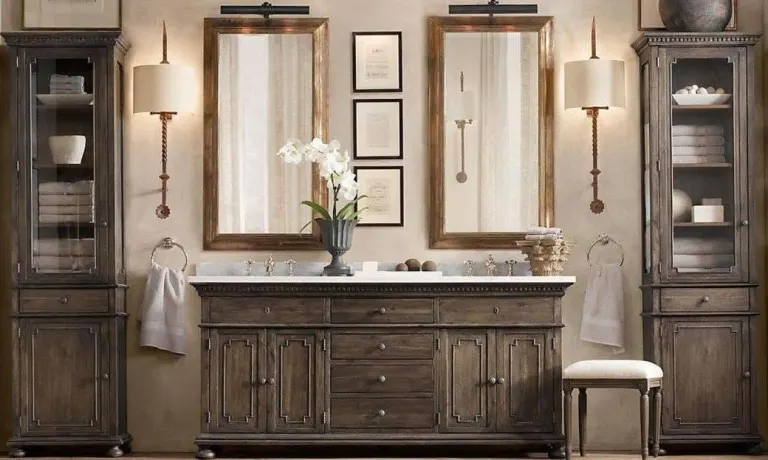
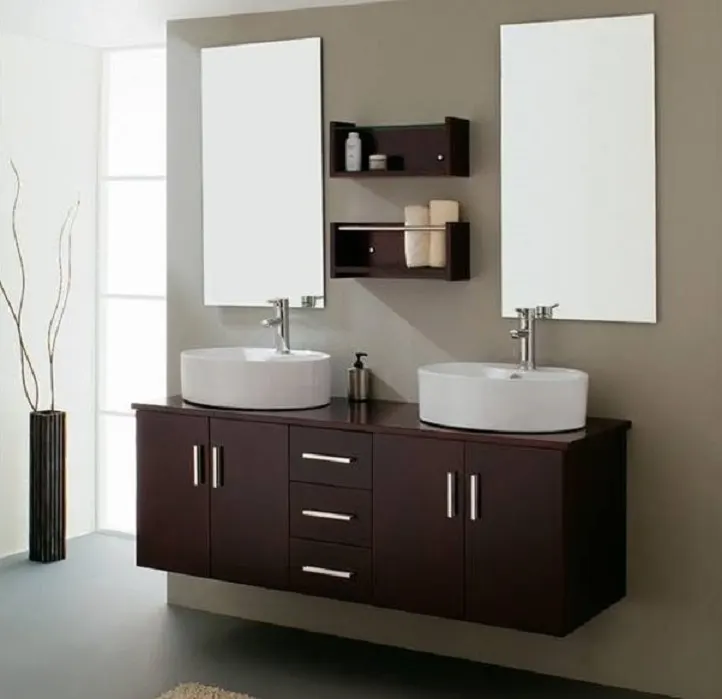
Bathroom Vanity Cabinets Made in Istanbul: What Buyers Receive in a Typical Export Package
A vanity cabinet export package is more than the cabinets themselves. This guide lists the physical items, packing methods and documents a hotel buyer should expect, so you can check exactly what a quotation covers.
A vanity cabinet export package normally contains the finished cabinets, the loose components that go with them, protective crating, labelling and a set of shipping and project documents. What is included in each order depends on the scope agreed in the quotation, so the most useful step is to compare the list below with your own offer line by line.
This article walks through the deliverables of a typical hotel vanity order shipped from Istanbul. It is written for procurement managers, designers and contractors who need to know what will arrive on site, in what condition and with which paperwork.
Why the contents of the package matter
Two quotations for the same vanity can differ simply because one includes the stone top, the mirror and sea-worthy crating while the other stops at the bare carcass. Cost surprises usually appear after the order is placed, when a missing item has to be sourced separately and delivery is delayed.
Defining the package at quotation stage protects your budget and your installation programme. It also gives your site team a clear checklist for goods-in inspection.
The physical deliverables
1. Finished vanity cabinets
The core of the order is the cabinet units, produced to your approved shop drawings. Each unit is finished, assembled where the design allows and checked before packing. Left-hand and right-hand variants, if your layout uses them, are produced and marked separately.
2. Doors, drawers and fitted hardware
Hinges, drawer runners, soft-close mechanisms and handles or finger pulls are normally fitted at the factory. Confirm in writing which hardware is fitted and which is supplied loose, especially if you plan to approve an equivalent brand.
3. Countertops and integrated tops
Depending on the specification, the top may be stone, engineered stone, solid surface or laminate. Basin cut-outs and tap holes are prepared to the drawings. Some buyers ask the cabinet maker to supply the top; others buy it from a separate stone supplier. Either approach works, as long as the quotation states who is responsible for the cut-outs and the fit.
4. Basins, taps and waste fittings
These items are often supplied by the project's sanitaryware contractor. If they are part of our scope, they appear as separate lines. If they are not, you should still send us the technical data sheets so that cut-outs, depths and waste positions can be coordinated.
5. Mirrors, shelves and lighting elements
Mirrors, LED mirror units, wall shelves and similar accessories may be included in the joinery package or excluded from it. Check whether electrical components are supplied, and if so, to which voltage and plug or connection standard your destination requires.
6. Fixing kits and installation accessories
Wall brackets, hanging rails, screws, adjustable feet and sealing accessories are often packed with each unit or in a separate carton per batch. Wall-hung units may need concealed support frames, which should be listed explicitly.
7. Spare parts and touch-up materials
A small allowance of spare hinges, handles, fixings and finish touch-up materials is useful for the handover period. Whether this is included or priced separately is a quotation decision, so ask for it to be stated.
How the units are packed
Packing is part of the product when cabinets travel across several countries. A typical export approach combines the following layers:
- Surface protection: film, foam or corner guards on faces, edges and corners.
- Internal fixing: doors and drawers secured so they cannot swing or slide in transit.
- Separate protection for fragile parts: stone tops, basins and mirrors are packed on their own, with rigid edge protection.
- Outer packaging: cartons for lighter units, and wooden crates or pallets with strapping for heavier or higher-value items.
- Moisture control: wrapping that limits humidity exposure during sea freight and port storage.
The exact method depends on the cabinet design, the top material, the route and the Incoterm. We recommend discussing it before production rather than after, because some designs need adjustments to travel safely.
Export crate for vanity cabinets
An export crate for vanity cabinets is usually a timber frame or pallet-based crate sized to the unit group. Wooden packaging for international shipping may need to meet plant-health rules in some destination countries, so ask your forwarder or customs agent which marking requirements apply to you.
Labelling and sequencing
On a hotel project, the same vanity model may appear in dozens or hundreds of rooms. Clear labelling prevents mix-ups and saves installation time. A well-prepared package carries:
- Project name and consignee details
- Room number, floor or room-type reference
- Model code and left or right designation
- Carton or crate number, for example 12 of 48
- Handling marks such as fragile, this way up and keep dry
If you want deliveries grouped by floor or building, tell us in advance so that loading and crate numbering follow your installation sequence.
The packing list and what it should show
The packing list is the document your site team and customs agent will use most. A vanity cabinet from Turkey packing list typically records:
- Crate or carton numbers and their contents
- Item descriptions and model codes matching the quotation
- Quantities per package
- Gross and net weights and package dimensions
- Marks and numbers matching the labels
Check this list against your purchase order before shipping. Correcting a discrepancy at the factory is far easier than correcting it at a port.
Documents that usually accompany the order
The documents required differ by destination, but most hotel orders involve a combination of the following:
- Commercial invoice: the value and description of the goods for customs.
- Packing list: as described above.
- Transport document: bill of lading, air waybill or road consignment note, depending on the mode.
- Certificate of origin: issued where required by the importing country or a trade agreement.
- Approved shop drawings and finish references: the record of what was agreed.
- Care and maintenance notes: guidance for housekeeping and engineering teams.
Some countries also ask for material declarations, fire-performance reports or emission documentation. Tell us early if your tender or local authority requires any of these, so we can confirm what can be supplied.
What depends on the Incoterm
The shipping term decides who handles transport, insurance, export clearance and import clearance. The product itself does not change, but your responsibilities do.
| Term | Typical meaning for the buyer |
|---|---|
| EXW | You collect from the factory and arrange transport and export clearance. |
| FOB | The goods are loaded on board at the named port; you arrange main freight. |
| CIF | The seller arranges freight and insurance to the destination port; import clearance is yours. |
| DAP | The seller arranges delivery to the named place; import duties and clearance remain with you. |
Always confirm the precise wording in the quotation, because the same term can be applied with different notes on unloading and site access.
On-site services: check what is separate
Installation, supervision and site measurement are services rather than products. Where they are offered, they should appear as separate lines with their own scope. If your contractor handles installation, make sure they receive the drawings, fixing details and plumbing positions before the units arrive.
A goods-in checklist for your site team
- Count crates against the packing list before the carrier leaves.
- Note visible damage on the delivery document and photograph it.
- Open a sample crate and check the contents against the order.
- Verify labels, model codes and left or right variants.
- Store units dry, flat and off the floor until installation.
Questions to ask before accepting any quotation
- Are tops, basins, taps and mirrors included or excluded?
- Which hardware is fitted, and which is loose?
- What packing method is used for stone and glass items?
- Are spare parts and touch-up materials part of the price?
- Which Incoterm applies, and where does our responsibility start?
- Which documents will be issued with the shipment?
Next step
If you are planning a hotel project, send us your drawings, room schedule and destination. We will prepare a quotation that lists the cabinets, components, packing and documents clearly, so you can compare it with any other offer on equal terms.
Sıkça Sorulan Sorular
What is usually included in a vanity cabinet export package?
A typical package includes the finished cabinets, fitted hinges and runners, fixing kits, protective packing, labels, a packing list and shipping documents. Tops, basins, taps, mirrors and spare parts may be included or excluded, so they should be confirmed line by line in the quotation.
Are basins and taps supplied with the vanity cabinets?
It depends on the agreed scope. Many hotel projects buy basins and taps from a sanitaryware supplier. In that case, we still need their data sheets and templates so cut-outs, tap holes and waste positions in the cabinets match exactly.
How are stone tops and mirrors packed for export?
Fragile items are normally packed separately from the cabinets, with rigid edge protection, cushioning and secure strapping inside cartons or crates. The method depends on thickness, size and route, so it should be agreed before production.
Which documents come with a vanity cabinet shipment?
Usually a commercial invoice, packing list and transport document, plus a certificate of origin where required. Care notes and approved drawings are also useful. If your country needs material or fire-performance reports, mention it early.
Can crates be labelled by room number or floor?
Yes. Labels can show project name, room or floor reference, model code, left or right variant and crate number. Tell us your installation sequence in advance so that packing and loading follow it.
Every hotel project is different. Send us your drawings or room schedule for a tailored proposal on materials, lead time and shipping.