The Material Science and Architectural Matrix of High-Performance Bathroom Cabinet Models:
The design, planning, and structural execution of premium real estate developments, high-traffic commercial infrastructures, and ultra-luxury hospitality retreats require specification guidelines that go far beyond superficial aesthetics.
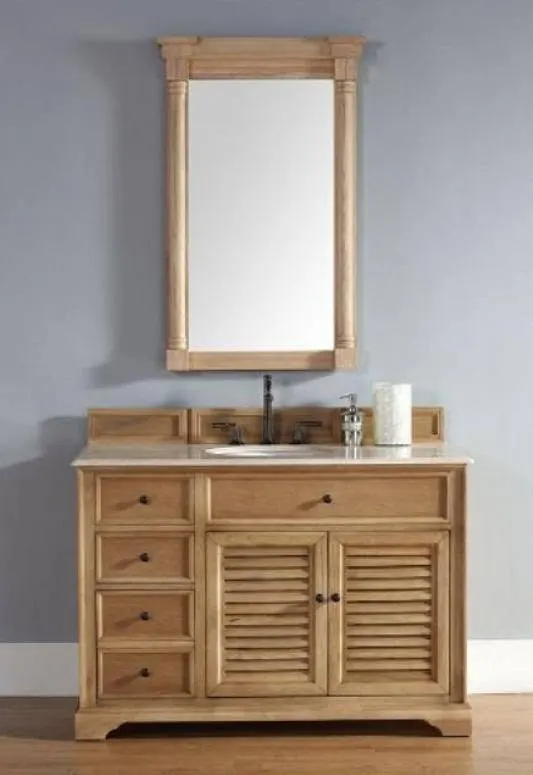
Within the high-stakes contract furniture, fixtures, and equipment (FF&E) sector, the evaluation and procurement of specific bathroom cabinet models represent a highly specialized materials science and mechanical engineering discipline. Unlike generic casegoods deployed in climate-controlled bedrooms, living zones, or corporate offices, bathroom vanities and storage frameworks operate within an aggressively hostile indoor environment. They must endure sudden relative humidity (RH) spikes fluctuating from 40% to 100%, intense thermal radiation from automated steam showers, direct liquid pooling, and ongoing exposure to alkaline cosmetics and corrosive cleaning agents.
When global procurement consortia, institutional real estate investment trusts (REITs), and award-winning interior architecture firms establish project bütçeleri (budgets), analyzing the engineering boundaries of different bathroom cabinet models surfaces as a primary structural checkpoint. Opting for residential-grade fabrication or uncalibrated wood composites invariably triggers early material failures: structural sagging, micro-structural fiber checking, joint delamination, hardware oxidation, and dangerous black mold infestations. To optimize the long-term Total Cost of Ownership (TCO) and maximize asset preservation, international specifiers evaluate bathroom cabinet models through a data-driven, engineering-grade matrix.
This comprehensive technical guide delivers an information-dense, end-to-end strategic reference for the classification, structural production, and specification of contract-grade vanity systems. It breaks down the mechanical, structural, chemical, and logistical parameters across the primary bathroom cabinet models available to the global architecture and engineering sectors.
1. Structural Classification Matrix: Wall-Hung vs. Floor-Standing Models
Modern interior architecture divides the primary structural chassis of vanity systems into two major layout formats. The mechanical forces, load-bearing physics, and installation prerequisites of these bathroom cabinet models vary dramatically, fundamentally changing the underlying sub-wall framing requirements.
[ FIXED CHASSIS STRÜKTÜREL MODEL COMPARISON ]
│
┌──────────────────────┴──────────────────────┐
▼ ▼
┌──────────────────────────┐ ┌──────────────────────────┐
│ A) Wall-Hung Models │ │ B) Floor-Standing Models │
├──────────────────────────┤ ├──────────────────────────┤
│ • Dynamic cantilever load│ │ • Static vertical load │
│ applied to wall plane │ │ transferred to floor │
│ • Requires heavy-duty │ │ • Conceals deep piping │
│ in-wall steel carriers │ │ • Ideal for massive, │
│ • Maximizes open floor │ │ heavy stone slab decks │
└──────────────────────────┘ └──────────────────────────┘
Wall-Hung (Floating) Bathroom Cabinet Models: Cantilever Mechanics
Wall-hung configurations represent the peak of minimalist, contemporary aesthetics. However, from a structural engineering standpoint, floating bathroom cabinet models act as a cantilever beam subjected to severe downward rotating forces (moment loads).
• Load-Bearing Physics: The entire static weight of the cabinet shell, the integrated sink bowl, the heavy stone countertop, and the dynamic down-pressure applied by end-users must be carried entirely by the rear vertical anchoring plane.
• In-Wall Structural Prerequisites: Floating bathroom cabinet models cannot be anchored directly into standard drywall or unreinforced concrete blocks. Specifiers must mandate the installation of heavy-duty, in-wall structural steel support carriers or thick solid wood blocking tracks behind the wall board before closing the framing phase.
• Chassis Reinforcement: The rear panel of a wall-hung vanity carcase must feature an integrated structural brace—typically a 15 mm to 18 mm thick marine-grade birch plywood hanging rail—secured using high-shear heavy-duty steel wall brackets. This prevents the cabinet box from separating from the wall under load.
Floor-Standing (Freestanding) Bathroom Cabinet Models: Vertical Load Cascading
Floor-standing and plinth-mounted freestanding systems are the traditional workhorses of commercial hospitality developments.
• Load-Bearing Physics: These bathroom cabinet models transfer their total static weight vertically down through integrated legs, structural block feet, or a solid kickboard plinth straight into the subfloor tile matrix.
• Structural Safety Controls: Because gravity pulls the load downward into the floor, the rear wall anchors serve merely as stabilization boundaries to prevent forward tipping. This layout makes floor-standing bathroom cabinet models ideal for projects featuring massive, heavy natural stone counter surfaces (such as 30 mm thick monolithic marble or quartzite decks) where wall-cantilever limits would be exceeded.
• Plumbing Concealment Advantages: The solid floor şasi (chassis) configuration provides an expansive internal cavity that easily conceals deep p-traps, hot/cold supply valves, and under-counter mechanical equipment without exposing unsightly piping to the guest's view line.
2. Advanced Material Science: Core Composites vs. Solid Hardwoods
Selecting the optimal core substrate is the most vital checkpoint across all bathroom cabinet models. Because bathrooms regularly experience a microclimatic cycle where relative humidity climbs from 45% to 100% within minutes, utilizing standard residential-grade particleboard or raw, unseasoned timber will result in rapid material degradation.
┌──────────────────────────────────────────────────────────────────────────────┐
│ CONTRACT VANITY CORE PERFORMANCE STANDARDS │
├───────────────────┬───────────────────────┬───────────────────┬──────────────┤
│ Substrate Type │ Core Density Baseline │ Elastic Modulus │ Moisture Swell│
├───────────────────┼───────────────────────┼───────────────────┼──────────────┤
│ Premium MR-MDF │ ≥ 780 kg/m³ │ 3,400 N/mm² │ ≤ 6% (EN 317)│
│ High-Density HDF │ ≥ 860 kg/m³ │ 3,800 N/mm² │ ≤ 5% (EN 317)│
│ Plywood (Birch) │ 680 - 720 kg/m³ │ 4,500 N/mm² │ Near Zero │
└───────────────────┴───────────────────────┴───────────────────┴──────────────┘
Marine-Grade Multi-Ply Birch Plywood (BS 1088 Standard)
For high-end spec contracts across all structural bathroom cabinet models, marine-grade birch plywood meeting the BS 1088 standard represents the gold standard for carcase box manufacturing.
• Cross-Lamination Stability: Built from an odd number of precision-peeled hardwood sheets laid at right angles to adjacent layers, multi-ply plywood distributes its tensile strength evenly in both directions, completely preventing the board from twisting or bowing.
• Boil-Proof Resin Matrices: Individual plies are cross-laminated under extreme hydraulic pressure using advanced phenolic or resorcinol-formaldehyde adhesives. These structural glues are completely waterproof (WBP – Water and Boil Proof) and will not break down, swell, or separate even when exposed to boiling water or continuous steam cycles.
Moisture-Resistant Medium Density Fiberboard (MR-MDF)
For flat cabinet door centers, painted drawers, and clean side gables across diverse bathroom cabinet models, premium moisture-resistant Medium-Density Fiberboard (MR-MDF) is specified.
• Polymer Matrix Binders: Unlike standard interior MDF, which uses water-soluble urea-formaldehyde binders, MR-MDF is manufactured using moisture-repelling melamine-urea-formaldehyde (MUF) or polymeric diphenylmethane diisocyanate (pMDI) resins.
• Edge Routing Performance: When processed on multi-axis CNC routers, MR-MDF presents an ultra-dense, homogeneous fiber edge that accepts protective primers smoothly, preventing fiber fuzzy grain raising.
• Air Quality Emissions Compliance: To protect guest wellness in enclosed commercial properties, all composite panels utilized across all bathroom cabinet models must meet strict international clean air standards. Substrates must carry CARB Phase 2 or EPA TSCA Title VI certifications, limiting formaldehyde emissions to under 0.05 ppm. This guarantees that cabinetry deployed in enclosed layouts does not release harmful volatile organic compounds (VOCs) into the indoor air, helping developers secure higher scores in green building metrics (LEED or BREEAM).
3. Spatial Topology Models: Corner, Sideboard, and Double Vanity Systems
Spatial architecture dictates the configuration of the layout. Depending on the room's square meter limits and targeted guest demographic, specifiers balance three niche system designs across the available bathroom cabinet models.
┌──────────────────────────────────────────────────────────────────────────────┐
│ SPATIAL TYPOLOGY SYSTEM ARCHITECTURE │
├───────────────────┬──────────────────────────────────┬───────────────────────┤
│ Model Typology │ Structural Footprint Class │ Target Plumbing Lines │
├───────────────────┼──────────────────────────────────┼───────────────────────┤
│ Corner Models │ Compact Geometric Angle (90°) │ Single Center Waste │
│ Sideboard Models │ Elongated Asymmetric Core │ Offset Lateral Waste │
│ Double Models │ Dual Mechanical Master Core │ Independent Dual Lines│
└───────────────────┴──────────────────────────────────┴───────────────────────┘
Corner Bathroom Cabinet Models: Spatial Optimization
Corner configurations are specifically engineered for space-constrained powder rooms, half-baths, or boutique hotel rooms.
• Geometric Integration: Locked at a rigid 90-degree rear angle, these bathroom cabinet models utilize triangular or pentagonal footprints to transform awkward corners into functional storage zones.
• Plumbing Alignment Challenges: Because the structural walls converge directly behind the sink basin, the waste and supply lines must be routed with absolute precision. Internal shelving matrices feature custom mitered chamfer adjustments to clear the p-trap layout without compromising the structural integrity of the back corner block.
Sideboard and Console Bathroom Cabinet Models: Asymmetric Luxury
Sideboard vanities borrow their design code from high-end dining room credenzas, introducing an elongated layout to the master bathroom suite.
• Asymmetric Visual Balance: These bathroom cabinet models typically position the sink basin offset to one side, leaving an expansive, dry counter space on the opposite wing for towels and cosmetics.
• Internal Partition Architecture: To maintain structural strength across spans exceeding 1,200 mm, the inner šasi (chassis) features intermediate solid divider walls. Drawers utilize custom notches to bridge the offset plumbing path smoothly, maintaining maximum storage capacity in the adjacent dry compartments.
Double Basin Bathroom Cabinet Models: High-Volume Dual Mechanical Cores
Double vanity configurations are the definitive choice for master bathrooms, executive suites, and luxury residential projects.
• Independent Mechanical Isolation: These wide configurations (typically ranging from 1,500 mm to over 2,400 mm in width) house two separate sink basins. The internal framework must be engineered with dual independent plumbing compartments, separating the waste lines completely to allow multi-user functionality without pressure drops or backup risks.
• Deflection (Sehim) Prevention: Supporting two heavy undermount ceramic bowls along with an extra-wide stone top generates severe downward bending stresses (sehim). To prevent center sagging, double-basin bathroom cabinet models introduce vertical solid wood support posts or hidden structural steel box sections into their central partitions, redirecting the load path safely to the floor glides.
4. Architectural Finishes: Shutter-Style, Frameless Shaker, and Lacquered Models
The exterior surface treatment of casegoods defines the aesthetic boundary while serving as the primary barrier against atmospheric moisture entry. Specifiers evaluate three core architectural panel options across contemporary bathroom cabinet models.
[Shutter-Style Passive Vent] [Frameless Minimum Joint] [Multi-Layer Cross-Linked Lake]
Angled louvers cycle air Sleek continuous faces Polyurethane fluid block
┌────────────────────────────┐ ┌────────────────────────────┐ ┌────────────────────────────┐
│ /////// \ / /////// │ │ ┌──────────────────────┐ │ │ XXXXXXXXXXXXXXXXXXXXXXXX │
│ /////// ▼ /////// │ │ │ │ │ │ XXXXXXXXXXXXXXXXXXXXXXXX │
│ /////// Vent /////// │ │ └──────────────────────┘ │ │ XXXXXXXXXXXXXXXXXXXXXXXX │
└────────────────────────────┘ └────────────────────────────┘ └────────────────────────────┘
Shutter-Style Louvered Bathroom Cabinet Models: Passive Aerodynamic Ventilation
Bathroom units with shutter-style doors introduce passive thermodynamic air circulation to the interior carcase.
• The Aerodynamic Mechanism: High-moisture environments generate stagnant air pockets inside closed cabinets, accelerating the growth of mold spores (Aspergillus niger) and structural timber rot. Shutter-style bathroom cabinet models incorporate angled louvers milled at a continuous 30-to-45-degree pitch with a 4 mm reveal gap.
• Thermal Convection Loops: Cooler air near the bathroom floor enters through the lower slats, displacing warm, damp air trapped around the plumbing fixtures and forcing it out through the upper louvers. This ongoing circulation process balances internal humidity levels with the outer room, keeping towels fresh and preventing hardware oxidation.
Frameless and Shaker Door Bathroom Cabinet Models: Modern Minimalist Integrity
Frameless (European-style) and Shaker doors represent the pinnacle of sleek, geometric design lines.
• Frameless Construction: Eliminating the traditional frontal face frame, frameless bathroom cabinet models feature full-overlay doors that sit edge-to-edge with microscopic reveal gaps of just 1.5 mm to 2 mm. This leaves zero room for error; any material expansion will cause doors to bind against each other.
• Shaker-Stile Engineering: True Shaker profiles use a structural five-piece panel configuration. The outer vertical stiles and horizontal rails are joined via deep machined mortise and tenon joints, holding a floating center panel loosely inside a recessed channel. This sliding center panel can expand and contract safely during intense shower steam cycles without warping the door frame out of alignment.
Lacquered (Lake) Bathroom Cabinet Models: Multi-Layer Chemical Polymeric Shields
Lacquered (lake) finishes deliver an ultra-sleek, mirrored high-gloss or silky ipeksi mat (silky matte) surface that acts as a complete fluid block.
• Polymer Chemistry: High-end lacquered bathroom cabinet models receive a multi-stage coating process. The raw composite panel is first sealed with a high-solids polyurethane primer to fill microscopic fiber pores. Then, multiple layers of pigmented lacquer are rolled on using automated spray arms inside pressurized, dust-free cleanrooms.
• Aliphatic Cross-Linking Protective Topcoats: The final layer consists of a two-component (2K) aliphatic polyurethane finish. The polyol resin base reacts chemically with an isocyanate catalyst to form a dense, cross-linked polymer film. This non-porous shield blocks water and steam entry while offering excellent chemical resistance (EN 12720) against cosmetics, toothpastes, and alcohols, ensuring the colors remain bright and resist UV yellowing over time.
5. Contract Joinery Engineering: CNC Wood Processing and Assembly Architecture
The long-term performance of contract furniture relies on the strength of its structural joints. Under high-frequency commercial usage, standard residential connections like simple wood screws or quick-lock cam fasteners loosen rapidly, causing frames to sag and doors to drop. Professional production across all bathroom cabinet models uses automated multi-axis CNC machining centers to combine traditional joinery with modern speed.
[Mortise and Tenon Frame Joint] [Multi-Dowel Box Assembly]
┌───────────────┐ ┌───┐ ┌───┐
│ │ │ │ │ │
┌─────┘ ┌───────┐ └─────┐ ┌─────┴───┴───┴───┴─────┐
│ │ Tenon │ │ │ │
│ ┌─────┘ (Tongue)└─────┐ │ │ [ Fluted Dowels ] │
│ │ Mortise │ │ │ High-Density Beech │
└───┴─────(Pocket)────────┴───┘ └───────────────────────┘
High-Shear Machined Joinery Systems
• Blind Mortise and Tenon Joinery: This remains the structural standard for joining solid wood face frames and shaker stiles across diverse bathroom cabinet models. Machined with tolerances under \(\pm 0.02 \text{ mm}\), the tenon tongue occupies exactly two-thirds of the receiving rail's thickness, distributing weight loads evenly without straining the wood fibers.
• Multi-Dowel Box Assembly: For carcase box construction, automated dowel insertion lines drive fluted hardwood dowels—crafted from ultra-dense European Beech (Fagus sylvatica)—into precision-bored holes. The compressed grooves along the dowel walls allow trapped air and adhesives to vent out during pressing, creating a tight vacuum-sealed bond line.
Adhesives Engineering: Transitioning to Reactive PUR Hot-Melts
Traditional water-based polyvinyl acetate (PVA) wood glues quickly soften and lose their bond strength when exposed to the high humidity of steam rooms. Advanced manufacturing lines handling all high-end bathroom cabinet models utilize cross-linking Reactive Polyurethane (PUR) hot-melt adhesives. PUR glues cure through a chemical reaction with ambient humidity and the wood's inner cellular moisture, creating an unbreakable polymer mesh that moves with the timber without splitting or delaminating.
6. Kinematic Systems and Anti-Corrosive Metallurgic Hardware
The daily user experience and long-term durability of wet-zone casework are directly linked to the engineering quality of its moving parts. Heavy pull-out cosmetic drawers, soft-close door hinges, and integrated mirrors undergo thousands of mechanical cycles over their operational lifespan. In the professional production of diverse bathroom cabinet models, specifying high-end hardware options ensures smooth movement and prevents structural sagging over time.
┌──────────────────────────────────────────────────────────────────────────────┐
│ HARDWARE KINEMATIC PERFORMANCE STANDARDS │
├───────────────────┬──────────────────────────────────┬───────────────────────┤
│ Hardware Unit │ Minimum Lifecycle Certification │ Dynamic Load Rating │
├───────────────────┼──────────────────────────────────┼───────────────────────┤
│ Concealed Hinges │ 80,000 Cycles (DIN EN 15570) │ Self-Closing/Soft-Close│
│ Drawer Runners │ 100,000 Cycles (DIN EN 15338) │ 40 kg to 70 kg Dynamic│
│ Lift Systems │ 40,000 Cycles (Dynamic Lever) │ Weight-Proportional │
└───────────────────┴──────────────────────────────────┴───────────────────────┘
Full-Extension Synchronized Runner Systems
Modern drawer configurations require full-extension, synchronized concealed runners equipped with automated soft-closing hydraulic dampers. These slides utilize technical polymer roller bearings driven inside high-tensile steel tracking channels, providing quiet, smooth movement even under full loads. Specifying a high dynamic load capacity of 40 kg to 70 kg for deep storage drawers completely eliminates runner sagging when the drawer is fully extended, keeping vanity faces aligned over years of active use, which is a major factor across all premium bathroom cabinet models.
Mandating Marine-Grade AISI 316 Stainless Steel Hardware
Sink base cabinets and vanity modules exposed to direct moisture, standing water, and chemical cleaning vapors require extreme hardware corrosion resistance. Standard nickel-plated steel hinges degrade rapidly when exposed to humid bathroom air, turning into rusty, stiff joints that strain the wood carcass screws. To prevent this, quality standards for all professional bathroom cabinet models mandate the use of AISI 316 marine-grade stainless steel or premium coated alloy hardware. This choice protects mechanical joints from rusting, ensures smooth operation, and maintains cabinet frame structural alignment for years.
7. Multi-Material Cross-Bonding: Interlocking Wood with Metals and Natural Stone
Modern premium interior architecture frequently blends wood panels with contrasting textures like brushed metals, back-painted glass, and thick natural stone vanity countertops. The production of diverse bathroom cabinet models requires managing the distinct expansion and contraction profiles of these materials to avoid joint failures.
[ CONVENTIONAL RIGID FASTENING ] [ INDUSTRIAL SLOTTED TRACK ASSEMBLY ]
(Cracks panel under humidity) (Allows free atmospheric expansion)
┌───────────────┐ ┌───────────────┐
│ Metal Trim │ │ Metal Trim │
├───────────────┤ ├───────────────┤
│ Rigid Screw │ │ Washer Screw │
│ (No Movement) │ │ (Slides Free) │
└───────────────┘ └───────────────┘
◄─────────────►
Oval Slotted Channel
Managing Movement with Slotted Fastening Tracks
Solid wood components expand and contract based on humidity shifts, while metal accents or perimeter trim respond strictly to temperature changes. If a brass inlay or stainless steel structural frame is rigidly anchored to a wood panel, the wood's natural movement will eventually buckle the metal or crack the timber face. To eliminate this stress, all mounting channels feature oval, slotted tracks. Structural connection screws are driven directly into the center of these slots, allowing the wood to adjust smoothly under the metal without creating internal structural tension.
Countertop Weight Distribution and Deflection Control
When heavy marble, quartz, or granite slabs are placed over lower cabinet boxes to form sink decks, the static load can cause the wood frame to sag over time. Internal support skeletons must feature concealed vertical hardwood posts that transfer the heavy vertical weight straight down to the adjustable floor glides. High-elasticity polyurethane spacers are placed between the stone and wood surfaces to absorb sudden shocks and allow both materials to adjust independently, a crucial structural consideration across all load-bearing bathroom cabinet models.
8. Sourcing Logistics, Export Packaging, and Total Cost of Ownership (TCO) Analysis
When managing a high-volume hospitality or commercial budget, savvy procurement teams look past upfront purchase costs (CAPEX) to evaluate the furniture assets' Total Cost of Ownership (TCO) over their entire useful life. Sourcing via high-performance pipelines for diverse bathroom cabinet models balances excellent durability with low maintenance costs.
Comprehensive Cost-Benefit Value Analysis
[ Lower Upfront Cost - Conventional Board ] ────────► [ Strategic Value - High-Performance Vanity Systems ]
• Operational Lifespan: 2 to 4 Years • Operational Lifespan: 15+ Years
• Absorbs moisture vapor, leading to core swelling • MR-MDF / pMDI cores provide supreme water resistance
• Fasteners strip easily from low-density fiber beds • High-density substrates ensure excellent screw holding
• Minimal structural and wall-load verification rules • Rigorous structural metrics mapped per vanity typology
• Triggers continuous replacement CAPEX cycles • Extends refurbishment timelines; preserves asset ROI
Strict Packing and Export Protection Protocols
To ensure vanity assemblies arrive at the job site in pristine condition, factories involved in the shipping and production of diverse bathroom cabinet models enforce strict export packing standards:
• Perimetric Impact Edge Protectors: Dense foam corner guards shield vulnerable edge lines from mechanical hits during handling and transport.
• Airtight Moisture-Barrier Shrouds: Pieces are wrapped in thick polyethylene films to protect the wood and composites from humidity shifts during transit across different climate zones.
• Heavy-Duty Wooden Crates: High-value or fragile items like marble-topped vanities or glass-doored display cases are packed in reinforced wooden crates to withstand container movement.
9. Technical Maintenance Matrix for On-Site Engineering Teams
Even with high-performance industrial finishes, solid timber and moisture-resistant cores require proper care from on-site facility teams. To maximize the operational lifespan of your investment and keep your furniture performing its best, resort management teams should enforce a clear maintenance schedule for all bathroom cabinet models:
• Microclimate Climate Control: Maintain bathroom relative humidity strictly between 35% and 65% and keep air temperatures stable (19°C to 24°C). This controls the wood's natural movement, preventing joint cracks and surface checking over time.
• Sanitation Standards: Ban the use of abrasive scrubbers or cleaning sprays that contain silicone oils or harsh ammonia. Silicone can enter micro-cracks in the finish, binding with the wood cells and making it nearly impossible to spot-refinish the furniture later on. Require staff to use mild, pH-neutral cleaners applied with damp microfiber cloths.
• Hinge and Runner Audits: Schedule an annual maintenance check for facility teams to adjust concealed hinges, verify soft-close dampening, and check runner load alignment. Catching minor shifts early keeps drawer faces neatly aligned, protects plumbing pipe seals from stress leaks, and prevents cabinet frames from binding.
By combining careful wood selection, controlled kiln-drying, multi-axis CNC joinery precision, and resilient chemical finishes, the manufacturing sector for diverse bathroom cabinet models delivers high-performance interior assets built to withstand the demands of global hospitality operations.