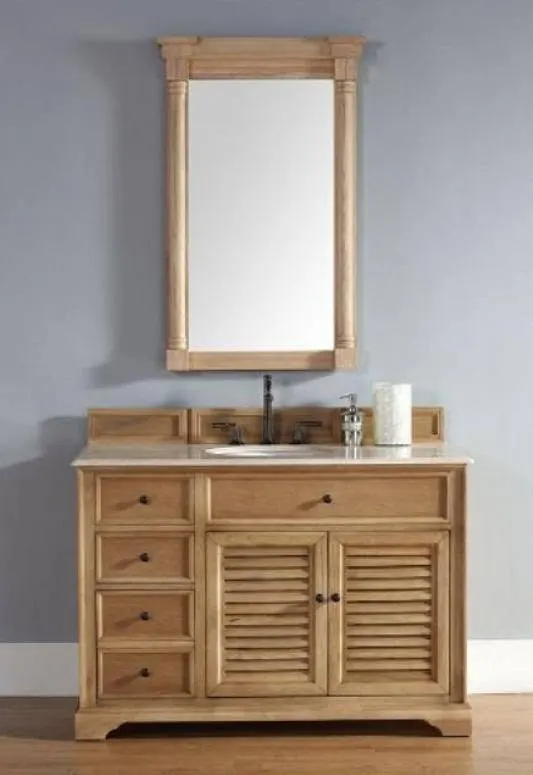
production of luxury kitchen cabinets.
Production of Luxury Kitchen Cabinets: Bespoke Engineering, Exotic Materials, Precision Joinery, and Architectural Finishing Standards The Production of Luxury Kitchen Cabinets represents a completely different industrial discipline from mass-market modular cabinetry. While standard residential kitchens rely on repetitive melamine boxes, thin back panels, and stock door sizes, the Production of Luxury Kitchen Cabinets merges structural furniture engineering, rare architectural veneers, multi-coat hand-rubbed lacquer finishes, solid hardwood dovetail joinery, and aerospace-grade motion hardware into bespoke culinary architecture.

Executed at the highest level in premier bespoke ateliers across Milan, Munich, and Istanbul’s architectural manufacturing districts, the Production of Luxury Kitchen Cabinets demands zero-compromise substrate selection, sub-millimeter CNC tolerances, custom-engineered pocket door mechanisms, and integrated lighting systems. This technical monograph examines the complete engineering workflow, material science, joinery standards, and quality assurance protocols governing the Production of Luxury Kitchen Cabinets.
1. Structural Carcass Engineering: Beyond Standard Melamine Boxes
In mass-produced cabinetry, the carcass (cabinet box) is treated as a hidden structural shell made from low-density particleboard. In the Production of Luxury Kitchen Cabinets, the interior of the cabinet is engineered to be just as visually refined, moisture-proof, and structurally rigid as the exterior facade.
Luxury Carcass Substrate Specifications
• High-Density Marine & Birch Plywood (18 mm – 20 mm): For flagship bespoke commissions, manufacturers utilize multi-ply Baltic birch plywood (13 to 15 cross-banded plies) or phenolic-bonded marine plywood (su kontrası). Plywood provides unmatched screw-holding retention, zero sagging across wide 1200 mm base spans, and superior resistance to catastrophic water leaks.
• HMR (High Moisture Resistant) Architectural MDF & Wood-Veneered Core: Where ultra-flat dimensional stability is required for tall 3000 mm+ pantry towers, green-core HMR MDF (780–820 kg/m³) or blockboard (kontratabla) veneered in natural smoked oak, American black walnut, or textured linen-embossed melamine is deployed.
• 10 mm to 12 mm Structural Back Panels: Unlike budget cabinets that staple 3 mm HDF sheets to the rear, the Production of Luxury Kitchen Cabinets incorporates 10 mm to 12 mm double-sided veneered or melamine-faced panels recessed into deep CNC-milled rabbet joints, delivering absolute diagonal rigidity without visible rear fasteners.
• Zero-Joint Laser and PUR Edge-Banding: Every exposed interior carcass edge is sealed with 1.5 mm to 2 mm thick matching ABS or real wood edge-banding fused via zero-joint laser/hot-air technology or waterproof Polyurethane Reactive (PUR) adhesives, eliminating dark glue lines and preventing steam penetration.
2. Exotic Veneers, Solid Timber, and Architectural Metals
A hallmark of the Production of Luxury Kitchen Cabinets is the curation and processing of authentic, tactile materials that age with grace rather than artificial printed laminates.
Book-Matched and Slip-Matched Architectural Veneers
1. Veneer Flitch Selection: Master veneer specialists select whole architectural timber logs (flitches)—such as quarter-sawn European white oak, figured American black walnut, eucalyptus frisé, Santos rosewood, or smoked ash—sliced at 0.6 mm to 1.5 mm thickness.
2. Continuous Grain Sequencing: In luxury kitchens, grain patterns flow uninterrupted horizontally or vertically across adjacent drawer fronts, refrigerator panels, and floor-to-ceiling tall cabinets. Artisans stitch veneers using precision guillotine jointers and thermal thread-stitching machines before hot-pressing them onto balanced substrates.
3. Open-Pore Tactile Finishes: Rather than burying natural wood under thick plastic-like gloss coats, luxury finishes use two-component (2K) dead-matte acrylic sealers (3–5 Gloss Units) or natural hardwax oils that protect against red wine, olive oil, and coffee while preserving the organic grain texture.
Solid Hardwood Dovetail Drawer Boxes
While metal drawer systems dominate contemporary minimalist designs, transitional and bespoke architectural kitchens feature custom-milled solid timber drawer boxes:
• Timber Species: Kiln-dried (6%–8% moisture content) solid American black walnut, hard white maple, or European oak.
• Joinery: Precision English dovetail or box-finger joints milled on dedicated multi-spindle dovetail machines, paired with 8 mm veneered plywood bottoms inset into perimeter grooves.
• Custom Interior Organization: CNC-milled solid wood cutlery dividers, knife blocks, spice tiers, and hand-stitched full-grain saddle leather drawer liners.
Architectural Metal Cladding and Liquid Metal Coatings
High-end contemporary kitchens increasingly integrate metallic surfaces:
• Anodized & PVD-Coated Aluminum Frames: Slim 18 mm extruded aluminum profiles in brushed bronze, champagne, gunmetal, or matte black paired with 4 mm fluted, smoked, or bronze-tinted tempered glass.
• Cold-Spray Liquid Metal (Metallization): Atomized real brass, bronze, copper, or zinc powders suspended in a catalyzed binder are sprayed onto CNC-carved MDF doors, cured, and hand-burnished with orbital abrasives to create seamless, solid-metal facades without the prohibitive weight of solid brass plates.
3. Advanced Finishing Protocols in the Production of Luxury Kitchen Cabinets
Whether executing multi-coat polyester high-gloss lacquer, velvety excimer super-matte finishes, or hand-applied metallic patinas, finishing represents up to 40% of total manufacturing hours in the Production of Luxury Kitchen Cabinets.
Pressurized Cleanroom Spray Engineering
• 8- to 10-Coat Lacquer Architecture: Consists of edge-isolator sealing, three coats of high-build polyester/polyurethane primer, multi-stage orbital sanding (320 to 600 grit), two coats of custom spectrophotometer-matched aliphatic acrylic-polyurethane color, and two clear protective topcoats.
• Double-Sided Identical Finishing: Every door is coated on both front and back faces with identical film thickness (160–220 microns for matte/satin; 350+ microns for polished gloss) to equalize vapor permeability and prevent warping on tall 2800 mm pantry doors.
• Dry-Ice and Rotary Buffing: High-gloss luxury doors cure for 14 days before undergoing progressive wet-sanding up to 3000 grit and rotary lamb's-wool polishing to achieve distortion-free optical reflection.
4. Precision Joinery and Integrated Door Mechanisms
The Production of Luxury Kitchen Cabinets eliminates visual clutter through complex mechanical joinery and concealed kinetic systems.
Architectural Feature Engineering & Joinery Execution Technical Tolerance / Performance Benchmark
45-Degree Mitered Waterfall & Shadow Gaps 5-axis CNC chamfered door edges meeting mitered gable end panels and recessed extruded Gola profiles ±0.15 mm gap consistency across 6-meter continuous runs
Retractable Pocket Door Systems Heavy-duty precision kinematics (Blum Revego, Hawa Concepta III) concealing coffee stations or working kitchens Supports doors up to 2900 mm tall and 35–50 kg per leaf with silent soft-closing
Integrated Appliance Paneling Custom-weighted MDF/plywood fronts with internal steel tensioning rods (straighteners) to prevent bowing Recessed concealed tension rods routed into rear door faces over 2000 mm height
Motorized Servo-Drive Opening Electric touch-to-open and voice/app-integrated drive units (Blum Servo-Drive, Grass Sensomatic) on handleless drawers and waste pull-outs Zero-effort opening with anti-collision safety sensors
Concealed Hinge Architecture Heavy-duty zero-protrusion or concealed barrel hinges (Blum Clip top Blumotion Onyx Black, Salice Air) Rated for 200,000+ opening/closing cycles under full load
5. Integrated Lighting and Smart Electrical Engineering
In modern luxury cabinetry, illumination is engineered directly into the joinery during CNC fabrication rather than retrofitted on-site:
1. Micro-Milled Aluminum LED Channels: 8 mm x 10 mm anodized diffuser channels routed flush into the undersides of wall cabinets, vertical interior carcass stiles, and glass shelf edges.
2. High-CRI Tunable COB LED Strips: Chip-on-Board (COB) continuous dot-free LED strips rated at CRI > 95 (accurately rendering natural wood tones and food colors) with tunable color temperatures (2700K warm evening ambiance to 4000K culinary task lighting).
3. Concealed Reed-Switch & PIR Sensors: Magnetic reed sensors embedded inside carcass edges trigger soft fade-on interior illumination the moment a pantry door opens, while hidden drivers sit inside ventilated service voids with removable access panels.
6. Quality Assurance, Dry-Assembly Pre-Fit, and White-Glove Logistics
Unlike flat-pack manufacturers that ship untested components directly from cutting lines, top-tier ateliers practicing the Production of Luxury Kitchen Cabinets conduct full factory pre-assembly (dry-fit staging) before crating.
The Factory Dry-Fit Protocol
• Full Showroom Floor Assembly: Every base, wall, and tall module of a client's kitchen is assembled, leveled on laser-calibrated floor jigs, and fitted with all doors, drawers, and internal accessories in the factory QC hall.
• Reveal & Alignment Calibration: Master cabinetmakers adjust every hinge and drawer front to maintain an exact 2 mm to 3 mm uniform reveal across the entire elevation, verifying continuous woodgrain alignment and color Delta-E (Δ E < 0.4) uniformity.
• Photographic & Video Sign-Off: High-resolution inspection documentation is shared with the architect and client prior to disassembly and custom crating.
• Custom ISPM-15 Fumigated Foam-Lined Crates: Individual modules and wrapped fronts are suspended inside rigid plywood export crates lined with high-density closed-cell polyethylene foam and desiccant packs, guaranteeing zero transit damage from factory floor to penthouse installation.