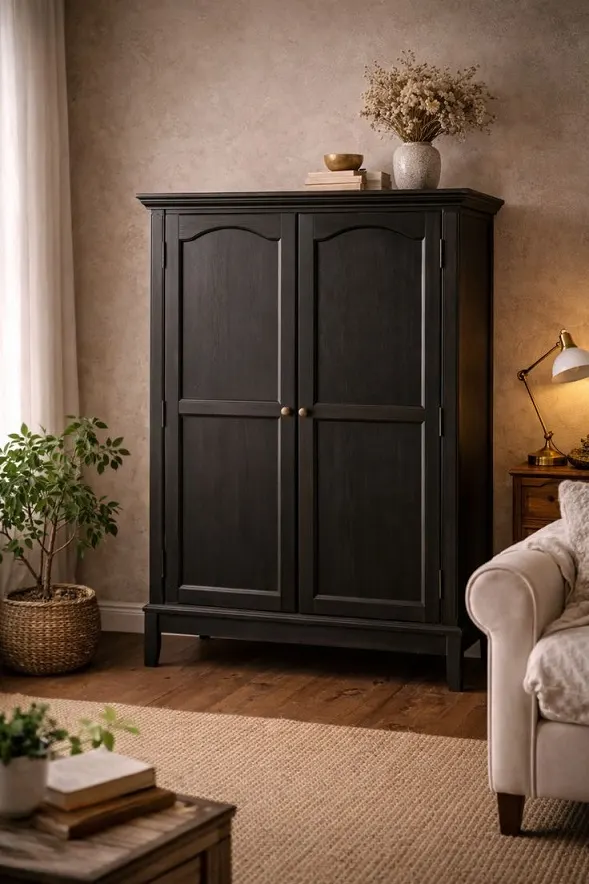
Hotel Bedroom Furniture Colour Fading: How Sunlight and Cleaning Chemicals Change Timber Finishes Over Time
Hotel furniture colour fading in guest rooms usually comes from two sources: ultraviolet light through windows and repeated contact with strong cleaning products. This guide explains how each works and how finish and material choices reduce the effect.
Hotel furniture colour fading is rarely a mystery. In guest rooms it almost always traces back to two causes: UV light entering through windows, and repeated wiping with strong cleaning products. Understanding which of the two is acting on a piece tells you what to specify, and what to ask a manufacturer before you order.
This article is written for owners, designers and procurement teams who want finishes that age evenly rather than patchily. We cover how each cause works, which pieces are most exposed, and how finish, veneer and hardware decisions change the outcome.
The two real causes of fade in guest rooms
Many fading complaints are blamed on "poor quality" in general. In practice, the damage follows a clear pattern, and the pattern points to the cause.
- Light exposure: UV and, to a lesser extent, visible light break down pigments, dyes and some natural wood compounds. The result is a gradual shift in tone, usually on surfaces facing the window.
- Chemical exposure: disinfectants, degreasers and alcohol-based sprays can dull sheen, soften coatings and strip colour from high-touch areas.
The two often overlap, which is why a desk by a window can look worse than a wardrobe in a dark corridor of the same room.
How sunlight changes timber finishes
Natural timber and veneer contain compounds that react to light. Some woods darken or turn more amber with exposure, while others lighten and lose warmth. This is a normal property of wood, not a defect, and it varies by species.
The coating on top matters too. A clear lacquer with UV absorbers slows the change underneath, while a thin or unprotected finish lets light reach the wood directly. Stained and pigmented finishes can also shift if the colourants are not light-stable.
Where the damage shows first
- Desk tops and window-side tables that receive direct sun for hours each day.
- Wardrobe doors and side panels facing a balcony door or glazed wall.
- Upper edges of headboards and panels, where light strikes at an angle.
- Any surface partly covered by a lamp, tray or book, which leaves a visible ghost mark when moved.
Uneven fade is more noticeable than overall fade. A desk with a lighter rectangle where a tray sat for months looks worse than a desk that has changed slightly everywhere.
How cleaning chemicals change finishes
Housekeeping teams work to tight schedules and often use the same product on every surface. Over hundreds of cleaning cycles, the wrong product can do more harm than sunlight, particularly on handles, desk edges, bedside tops and drawer fronts.
Typical effects include loss of gloss, a cloudy or whitish film, tacky surfaces, and colour lifting on stained finishes. Alcohol and solvent-based cleaners are harder on many coatings than neutral, water-based ones.
Why high-touch zones fade first
Door edges, handle areas and desk fronts are wiped more often than anything else. They also receive skin oils, which attract stronger cleaning. The finish in these areas ages faster, so it helps to choose a robust coating specifically for them rather than assuming one finish performs equally everywhere.
How finish choice reduces both problems
No finish is immune to ageing, but different systems resist different stresses. The right choice depends on where the piece sits in the room and how it will be cleaned.
| Finish or surface | Light resistance | Chemical resistance | Notes |
|---|---|---|---|
| HPL or laminate with printed decor | Generally good when the decor is light-stable | Generally good | Surface is stable, but check the decor supplier's light-fastness data |
| Veneer with polyurethane lacquer | Depends on UV protection in the coating | Good when properly cured | Wood beneath still reacts to light over time |
| Veneer with matt or satin oil | Moderate | Lower; needs gentle cleaning | Easy to touch up, but less forgiving of harsh products |
| Painted or pigmented lacquer | Depends on pigment quality | Varies with coating system | Dark and saturated colours show change more clearly |
These are general tendencies. Actual performance depends on the specific coating system, curing and application, so ask for test information or physical samples rather than relying on a category name.
What to specify to slow fading
- UV-resistant finish: ask whether the clear coat includes UV absorbers or stabilisers, and request this in writing in the specification.
- Light-stable colours: avoid very saturated or unusual stains for window-facing pieces, and choose mid-tone timber colours where ageing is less obvious.
- Cleaning compatibility: ask for a list of recommended and prohibited cleaners, and share it with housekeeping.
- Different finishes by zone: use tougher surfaces such as HPL on desk tops and bedside tops, and veneer on vertical panels with less direct contact.
- Window management: curtains, sheers or solar-control glazing protect furniture as much as any coating does.
Wardrobe veneer: managing faded wardrobe veneer risk
Faded wardrobe veneer is most common when a tall wardrobe stands opposite a window or beside a glazed balcony door. Veneered fronts are made from natural material, so slight differences between panels are normal, and those differences can become more visible as the surface ages.
To reduce the risk, keep veneer panels from the same flitch or batch within a room, and ask for matching sequence on doors that sit side by side. Where a wardrobe will receive constant direct sun, consider a laminate or lacquered finish instead.
Planning for finish ageing in hotel rooms
Finish ageing in hotel rooms is a design question as well as a maintenance one. A finish that ages evenly and predictably is more useful than one that looks perfect for six months and then changes in patches.
Before approving a design, consider these questions:
- Which room orientations receive the most sun, and which pieces sit there?
- Which cleaning products will housekeeping actually use?
- Can the colour tolerate small shifts without looking worn?
- If a panel must be replaced later, can the finish be matched?
Use the mock-up room to test
A mock-up room lets you see the finish under the room's real light. It is also a chance to wipe a sample section with the cleaning products your staff use. If a product dulls the sample in a day, it will do so across hundreds of rooms.
Maintenance habits that protect finishes
- Use neutral, recommended cleaners and soft cloths rather than abrasive pads.
- Do not spray cleaner directly onto furniture; apply it to the cloth.
- Rotate items such as trays and lamps from time to time to avoid ghost marks.
- Close sheers or blinds in unoccupied rooms during peak sun hours.
- Record the finish name and batch so touch-ups and reorders can be matched later.
What to ask your manufacturer
When you send a project for quotation, include the room orientation, the cleaning regime and any brand colour requirements. This lets the factory suggest a finish system suited to the conditions rather than a generic one.
At Palmiye, we produce hotel furniture to project drawings in our own Istanbul factory and supply buyers worldwide. We can prepare finish samples for approval, so you can judge colour and sheen on a physical board before production begins. Climate and light conditions differ widely between markets, which is why we prefer to discuss the destination before recommending a finish.
Conclusion
Hotel furniture colour fading comes down to light and chemicals, and both can be managed. Choose finishes with UV protection, use tougher surfaces in high-touch zones, test samples in real conditions and give housekeeping clear cleaning guidance.
If you are planning a new hotel or a renovation, send us your drawings, room orientation and finish preferences. We will review them and come back with finish suggestions and sample options for your project.
Sıkça Sorulan Sorular
Why does hotel furniture fade faster near windows?
Windows let in ultraviolet light, which breaks down pigments and changes the natural colour of wood. Pieces that receive direct sun for hours each day, such as desks and window-side wardrobes, change tone faster than furniture in shaded areas of the same room.
Can cleaning chemicals really change the colour of furniture?
Yes. Strong disinfectants, alcohol-based sprays and solvent cleaners can dull sheen, leave a cloudy film or lift colour from some finishes. Repeated use on high-touch areas such as handles and desk edges makes the effect more visible over time.
Which finish resists fading best in guest rooms?
There is no single best option. HPL with light-stable decor and veneer with a UV-protected lacquer both perform well when properly specified. Ask your manufacturer for samples and test information, because results depend on the exact coating system and application.
Why does wardrobe veneer fade unevenly?
Veneer is natural, so panels react slightly differently to light. A door that receives more sun, or a panel partly shaded by another object, changes at a different rate. Keeping panels from the same batch together helps keep ageing more uniform.
How can I test a finish before ordering?
Request physical finish samples and wipe them with the cleaning products your housekeeping team uses. Place them near a window in the mock-up room for some time. This shows how the colour and sheen respond to real light and cleaning.
Every hotel project is different. Send us your drawings or room schedule for a tailored proposal on materials, lead time and shipping.