Buying TV Units and Vitrines in Bulk for Furniture Retailers and Distributors
A practical guide for resellers who want repeat, catalogue-style supply of TV units and vitrines from a Turkish factory. It covers range planning, order structure, packing and reorders.
If you run a furniture shop, a chain of showrooms or a distribution business, buying bulk TV units for retailers is a different task from furnishing a hotel. You are not fitting out one building to one set of drawings. You are building a range that must sell, ship well and be reorderable season after season. This guide explains how to plan that kind of supply with a Turkish manufacturer.
Why resellers buy differently from project clients
A hotel order is usually one-off and driven by a design concept. A reseller order is driven by turnover, margin and consistency. You need models that your customers recognise, finishes that stay the same from one batch to the next and packaging that survives handling in several warehouses.
That changes what you ask a supplier. Instead of shop drawings for a single room type, you will want a clear model list, standard sizes, colour options and a reliable way to repeat the order.
Start with the range, not the quantity
Before you request prices, decide what your shelves or catalogue need to look like. A focused range is easier to produce, easier to stock and usually easier to quote.
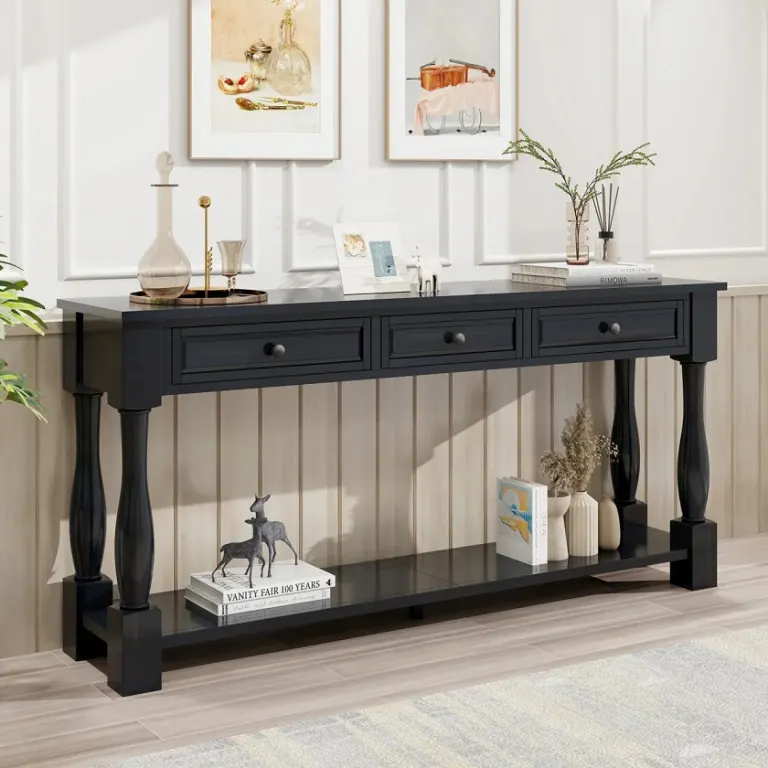
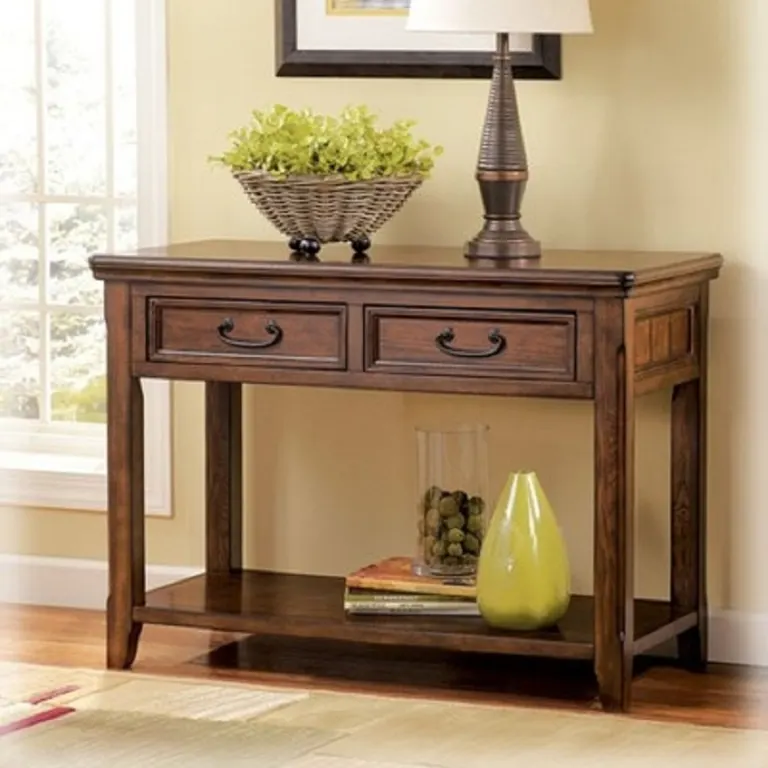
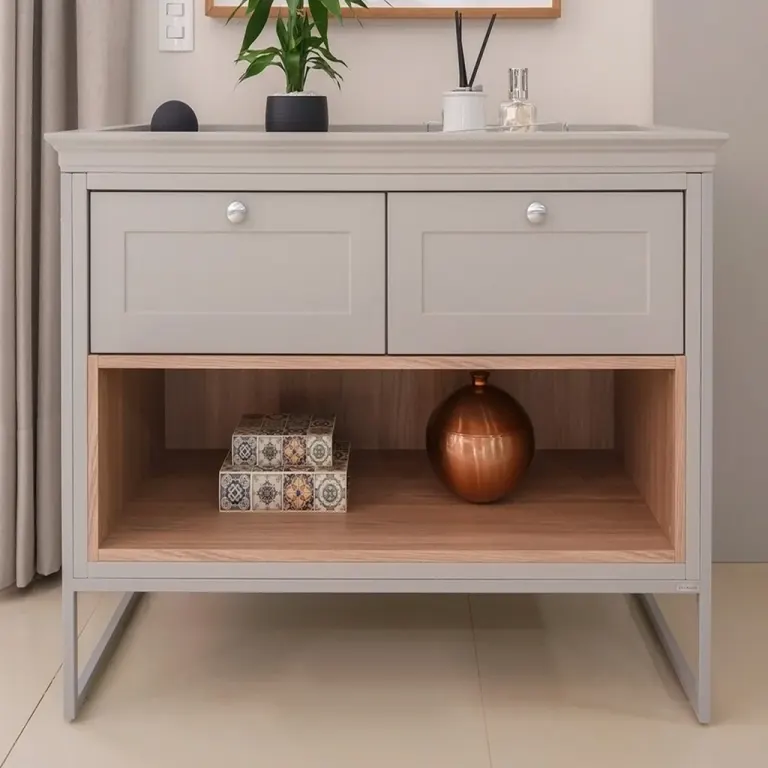
- Entry models: simple floor-standing TV units in one or two finishes, suited to high-volume sales.
- Mid-range models: wall units with open shelves, drawers or slatted details.
- Premium models: veneer or lacquered pieces, glass doors and integrated lighting.
- Companion vitrines: display cabinets that match the TV units in colour and style, so customers can buy sets.
Offering matching vitrines is one of the simplest ways to raise the value of each sale. A wholesale vitrine supplier who also makes TV units can keep wood tones and hardware consistent across both product types.
Catalogue models, adapted models and fully custom pieces
Three routes are common, and many distributors combine them.
Catalogue models
You choose from existing designs. Production is predictable and this route suits a first order or a quick range extension.
Adapted models
You keep a base design but change the width, finish, door style or handle. This is often the best balance for retailers who want a slightly different look from competitors without the cost of developing something new.
Custom designs
You supply drawings, reference photos or a brand concept. This takes longer at the start because of sampling, but it can give you an exclusive range. Because we produce to your drawings in our own Istanbul factory, we can support this route when the volumes justify it.
What to define before requesting a quote
A clear brief shortens the quotation process and avoids misunderstandings later. Prepare the following:
- Model names or reference images and the overall dimensions in cm (inches).
- Quantity per model and per finish, plus whether you plan repeat orders.
- Core material and surface: MDF, particle board or plywood, with melamine, laminate, veneer or lacquer.
- Hardware level: standard hinges and runners, or soft-close and push-latch systems.
- Glass type and thickness for vitrines, and whether lighting and locks are needed.
- Packing format: assembled, flat-pack or semi-assembled, with or without retail cartons.
- Destination port or address and the Incoterm you prefer, such as EXW, FOB, CIF or DAP.
If you are unsure about some points, say so. We can suggest options and show you how each choice affects cost and shipping volume.
Order size and how it shapes the offer
Unit cost depends on more than quantity. Material yield from boards, the number of finishes, hardware choice and the amount of hand finishing all play a part. A smaller number of models in larger runs is normally more efficient than many models in tiny runs.
For this reason, we recommend a first order that is deliberately focused. Choose your best-selling formats, test them with your customers and expand once you see how they perform. Minimum quantities depend on the product and finish, so ask for them per model rather than assuming a single figure.
Sampling before bulk production
For catalogue-style supply, the sample is your reference for every later batch. Approve it carefully.
- Check dimensions, door alignment and drawer movement.
- Approve the colour and texture under your own showroom lighting.
- Inspect edges, panel joints and the back panel.
- Test the packing by shipping or handling the sample the way a full order will travel.
Keep the approved sample, or at least detailed photos and written notes, so that future batches can be compared with it.
Packing and shipping for resale
Retailers and distributors often handle goods more than once: factory, port, warehouse, delivery van and customer. Packing needs to take that into account.
- Corner protection and wrapping: important for lacquered and veneered surfaces.
- Glass: vitrine glass is best packed separately and clearly marked, or fitted and protected with rigid edge guards depending on the route.
- Flat-pack vs assembled: flat-pack saves container space and freight cost; assembled saves effort at your end. The right choice depends on your market and how your customers buy.
- Labelling: model code, finish and quantity on each carton make warehouse work much faster.
- Timber packing: pallets and crates should comply with the rules of the destination country.
We can discuss how to combine TV units and vitrines in a single container so that you avoid part-empty shipments.
Planning repeat orders
The value of a good supply relationship shows up on the second and third order. To keep batches consistent:
- Fix the model code, dimensions and finish reference in writing.
- Agree on which components may change if a material becomes unavailable.
- Order early enough to allow for production and transit, rather than waiting until stock is low.
- Consider keeping a small buffer stock of fast-moving models and spare parts.
Natural materials such as wood veneer can vary slightly between batches, so it is sensible to agree on a tolerance and to approve colour against the original sample.
Choosing a supplier you can rely on
When you compare a TV unit distributor in Turkey or elsewhere, look beyond the unit price. Ask who actually makes the product, whether you can see the factory or the production on a video call, how quality is checked and how claims are handled. A factory-direct partner can adapt designs more easily than a trading intermediary, though what matters most is clear communication and documented agreements.
Also check whether the offer is clearly itemised. A line-by-line quotation lets you compare materials, hardware and finishes fairly with other bids.
Selling worldwide: points to confirm early
- Product safety or emissions requirements in your country, and the test documents you may need.
- Customs documents such as the commercial invoice, packing list and certificate of origin.
- Climate: humid or very dry regions may call for specific finishes and careful packing.
- Language of assembly instructions and labels, if you sell directly to consumers.
Next step
If you are planning a range of bulk display cabinets or TV units for your stores or distribution network, send us your model list, reference photos or drawings, and your target quantities. We will review the project and come back with options on materials, packing and shipping for your market.
Sıkça Sorulan Sorular
Can I order a mix of TV units and vitrines in one shipment?
Yes. Mixed orders are common for resellers who sell matching sets. Combining both products in one container can reduce freight cost per piece, provided the packing plan and loading order are agreed before production so that nothing is damaged in transit.
Do I have to use your catalogue models?
No. You can start with existing models, adapt sizes, finishes or doors, or send your own drawings for an exclusive range. Fully custom designs usually need an approved sample first, so allow extra time before bulk production begins.
What is the minimum order for bulk TV units?
It depends on the model, finish and materials, so we quote it per product rather than as one fixed figure. Fewer models in larger runs are generally more efficient. Tell us your target quantities and we will explain what is practical.
How do I keep colours consistent between batches?
Approve a physical sample, keep photos and written finish references, and agree on a colour tolerance before the first order. Veneer can vary naturally, so each repeat batch should be checked against the original approved sample.
Is flat-pack or assembled shipping better for distributors?
Flat-pack uses less container space and lowers freight per piece, while assembled units save labour at your end. Glass vitrines often need special care either way. The right choice depends on your customers, warehouse handling and the route.
Which Incoterms can I choose?
Common options include EXW, FOB, CIF and DAP. The best one depends on whether you have your own freight forwarder and how much of the logistics you want us to manage. We can quote more than one option so you can compare.
Every hotel project is different. Send us your drawings or room schedule for a tailored proposal on materials, lead time and shipping.